Lightweight Comfortable Saddles for Gaited Horses
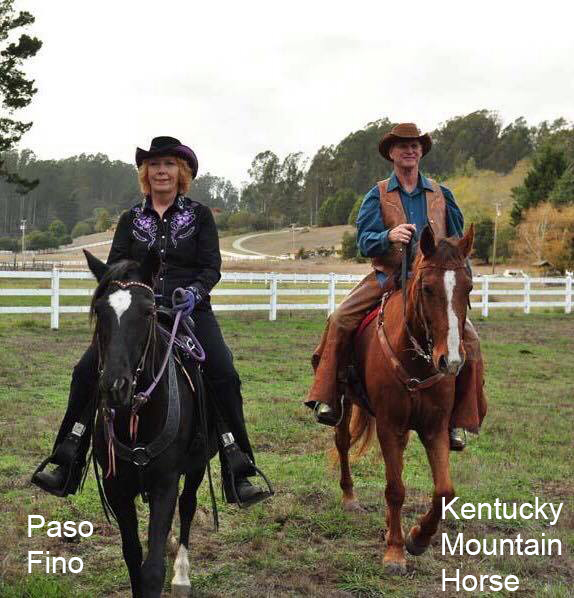
Why Gaited Horse Riders Choose TW Saddlery
- Shoulder freedom for smoother movement
- Open spinal channel helps reduce pressure
- Broad weight distribution
- Adjustable fit system adapts to different builds
- Lightweight design reduces fatigue
- Secure western feel without excessive bulk
Best Saddles for Gaited Horses
|
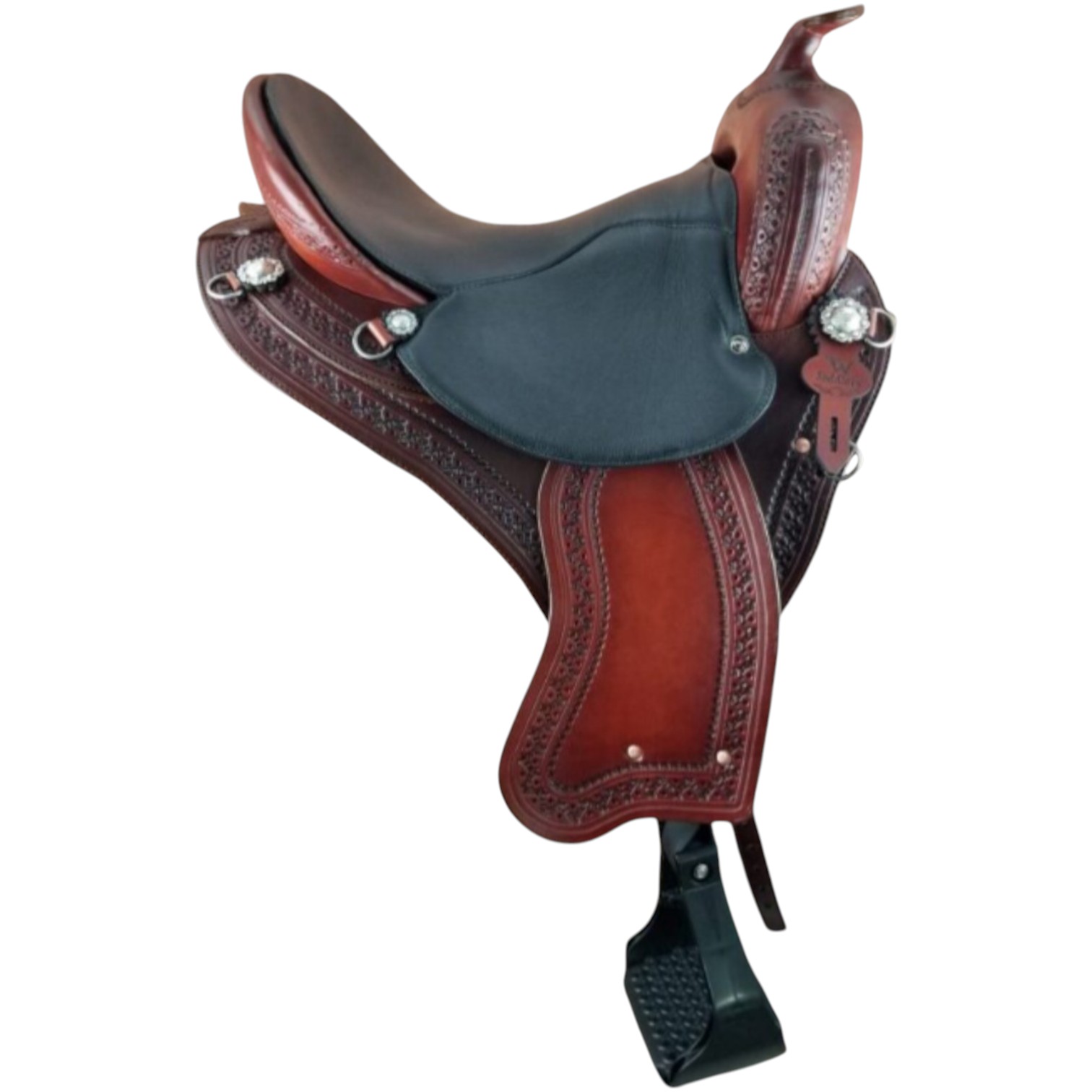
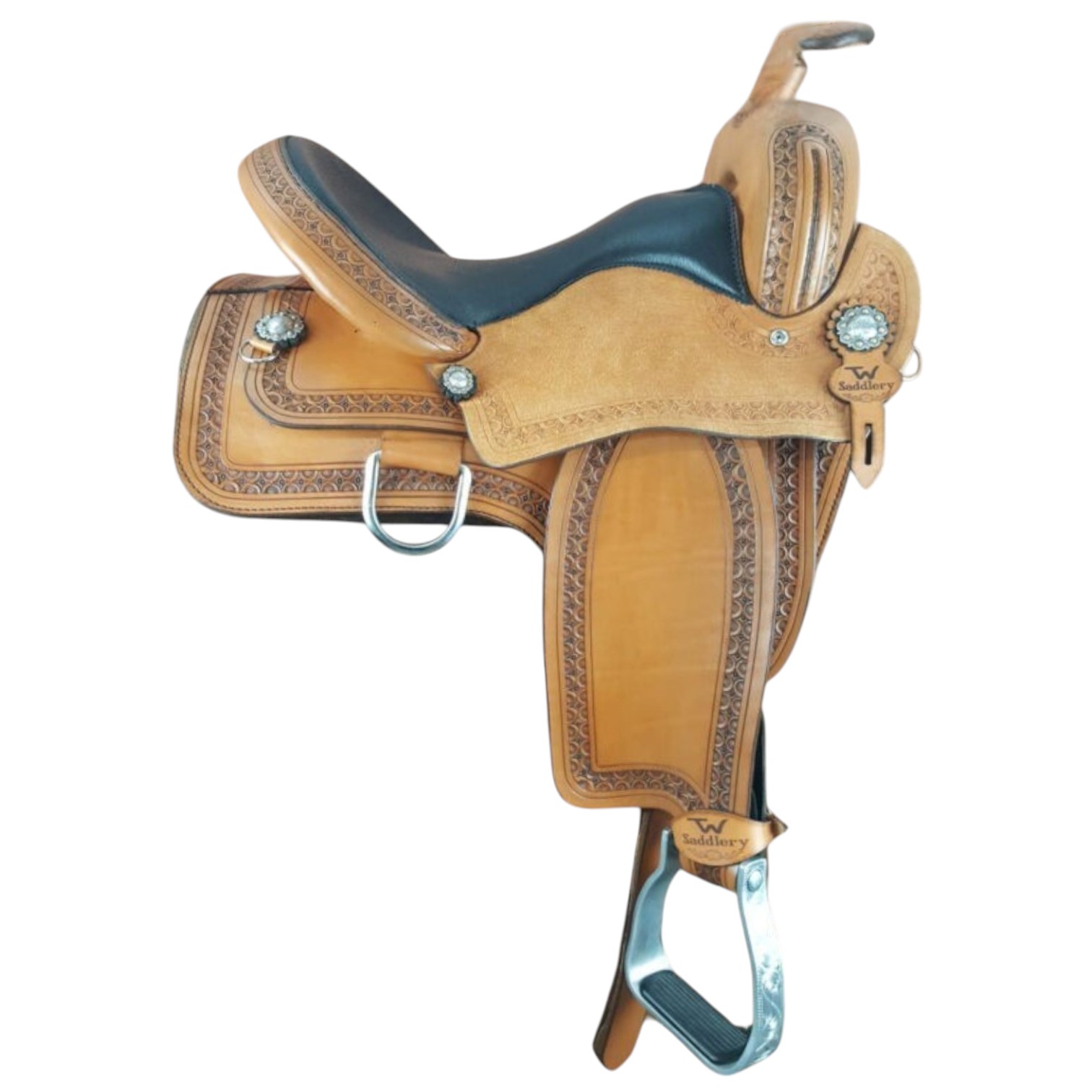
Trail LightAn ultra lightweight western trail saddle with an interchangeable padded seat system built for long rides, close contact, and customizable rider comfort.
|
Featherweight TrailA lightweight trail saddle with a traditional stitched-in seat and Cheyenne roll cantle, designed for riders who want classic western feel with all-day comfort.
|
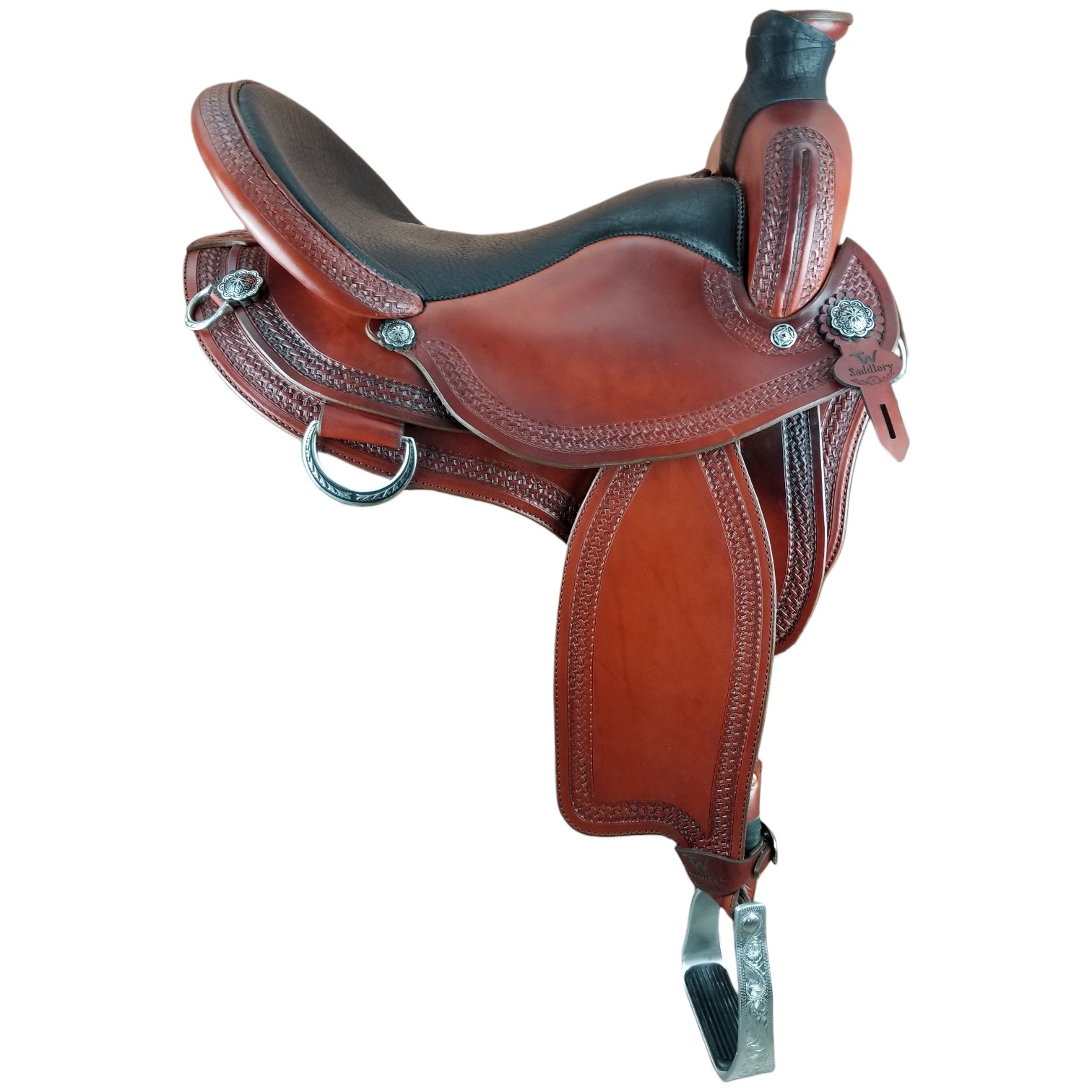
Ultra Secure AussieAn Australian-inspired lightweight saddle featuring supportive poleys, close-contact feel, and exceptional rider security for challenging terrain and long miles.
|
|
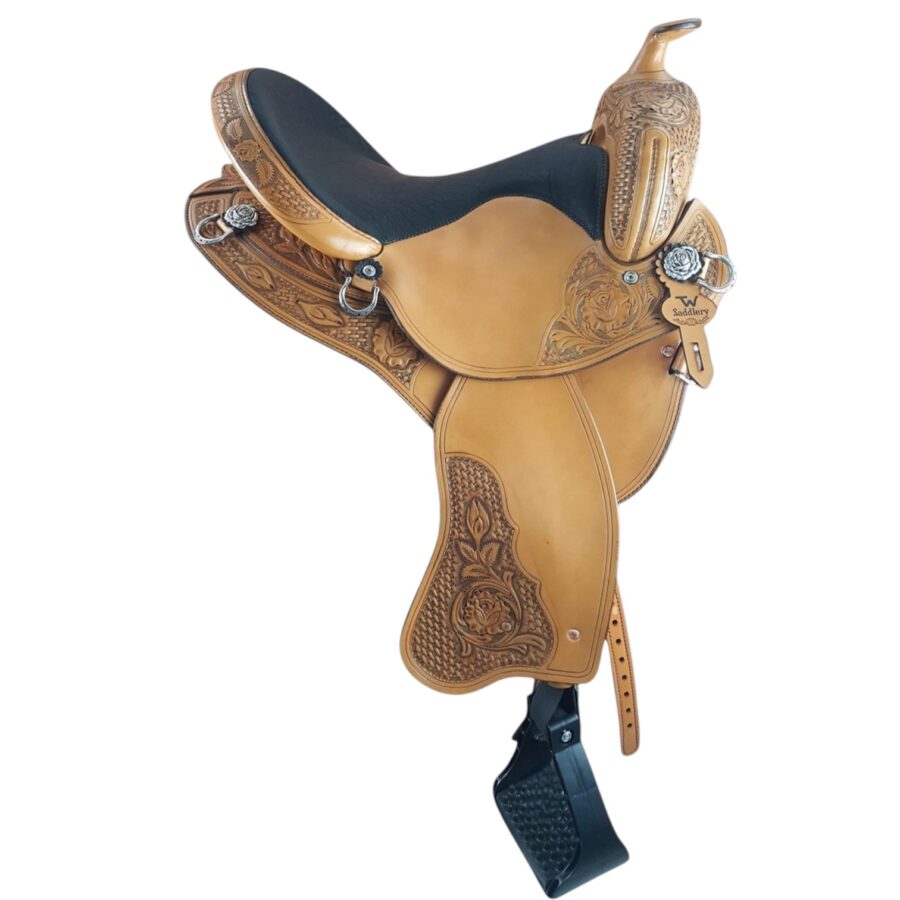
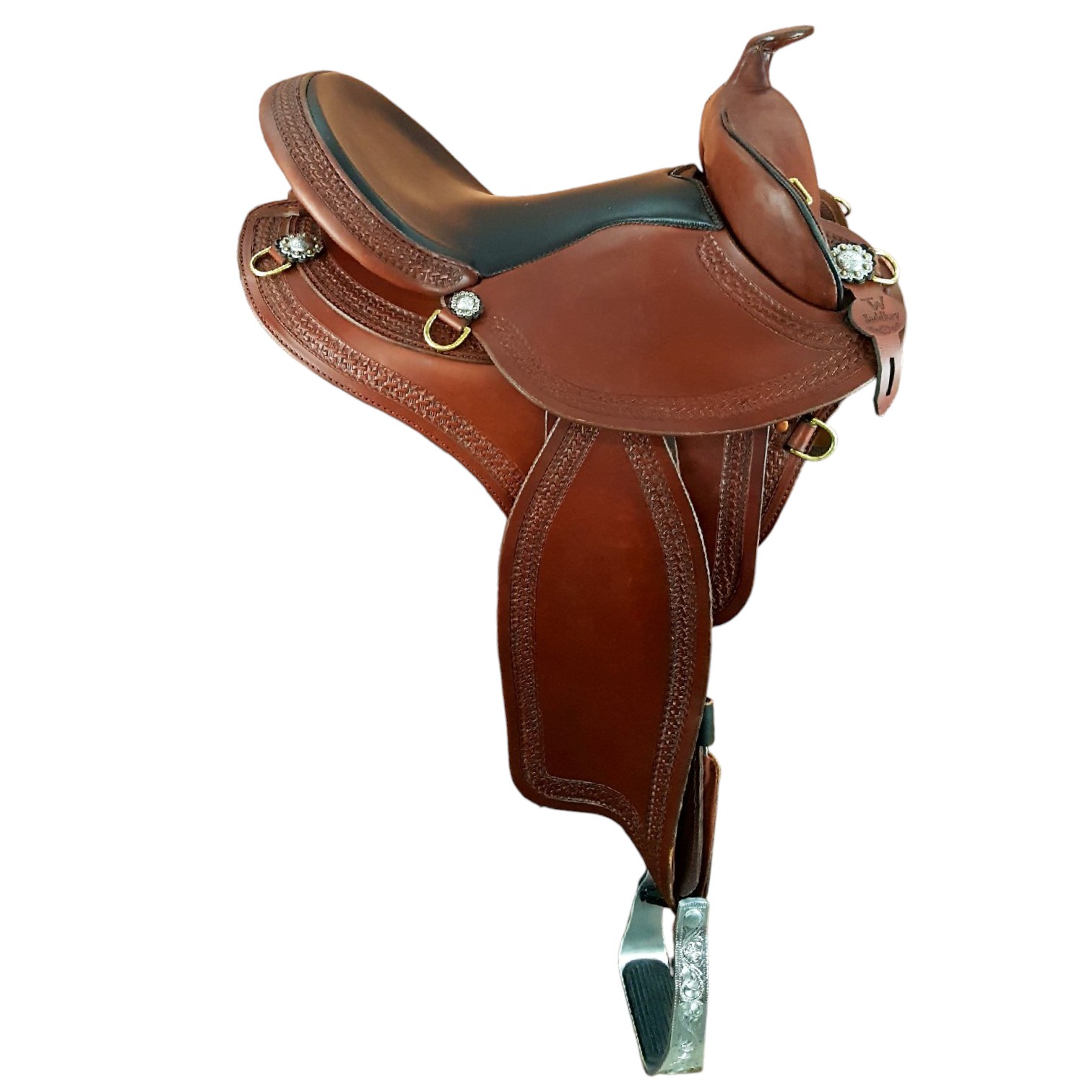
Classic WesternA traditional western saddle combining timeless styling, balanced rider positioning, and TW Saddlery’s patented adjustable fit system for horse comfort.
|
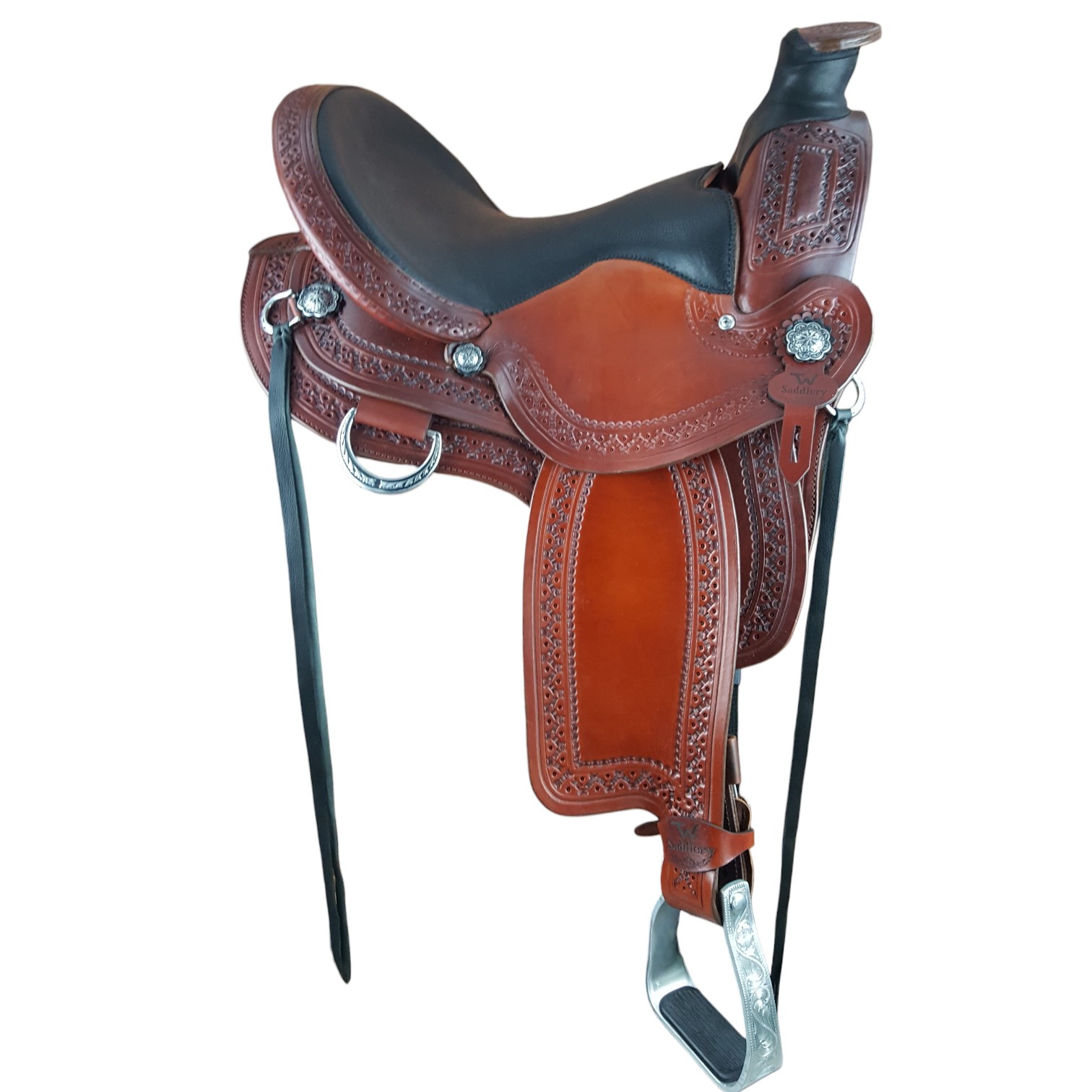
Texas WadeA lightweight Wade-style saddle with a classic post horn and traditional western feel, built for ranch work, trail riding, and secure rider positioning.
|
Classic WadeA traditional A-fork Wade saddle offering broad weight distribution, close-contact rider feel, and customizable comfort in a timeless western design.
|
Common Gaited Horse Saddle Fit Problems
Gaited horses move differently than non-gaited horses, which means saddle fit problems can show up quickly if the saddle isn’t designed to allow freedom of movement and balanced weight distribution. Many traditional western saddles can create pressure points, restrict shoulder movement, or interfere with natural gait mechanics over long rides.
Shoulder Restriction
Common Causes:
- Bulky front skirts restricting shoulder movement
- Rigid saddle fronts limiting scapula freedom
- Saddle too narrow or too wide
- Improper saddle pads
Common Signs:
- Shortened stride length
- Loss of smooth gait
- Breaking gait or pacing
- Resistance and soreness over long rides
How TW Saddlery Helps:
TW Saddlery lightweight saddles are designed with shorter skirt options, open spinal clearance, and close-contact designs to help reduce shoulder restriction and allow freer, smoother movement for gaited horses over long miles.
Bridging and Uneven Pressure
What Is Bridging?
Bridging occurs when a saddle makes pressure contact at the front and back of the horse while leaving a hollow gap or “bridge” through the center of the back.
Common Causes:
- Aging horses dropping their backs
- Sway-backed horses
- Horses with higher head carriage that hollow the back
- Conditioning and muscle changes over time
- Topline loss
Common Signs:
- Hollowing the back
- Pacing instead of gaiting
- Head tossing
- Tripping or stumbling
- Resistance traveling up and down hills
How TW Saddlery Helps:
TW Saddlery’s patented adjustable fitting system helps maintain more even pressure distribution along the entire bars of the saddle instead of creating concentrated pressure points. Adjustable fitting cushions and shim placement allow riders to fine-tune saddle balance as the horse changes over time.
Loin Pressure and Short-Backed Horses
Common Causes:
- Long saddle skirts extending too far back
- Excess rear saddle bulk
- Weight concentrated over the loin area
- Common in shorter-backed gaited breeds
Common Signs:
- Resistance engaging the hind end
- Shortened stride length
- Soreness through the loin area
- Reduced gait quality
How TW Saddlery Helps:
Many TW Saddlery models feature shorter rounded skirts designed to help reduce loin pressure while maintaining rider stability, balanced weight distribution, and western saddle security.
Heavy Saddles Causing Fatigue
Common Causes:
- Traditional western saddles weighing 35–50 lbs
- Excess saddle weight over long miles
- Additional gear and saddle bags increasing total load
Common Signs:
- Fatigue over long rides
- Reduced freedom of movement
- More strain on the horse’s back and shoulders
- More difficult saddling for riders
How TW Saddlery Helps:
TW Saddlery lightweight saddle models start around 17 lbs while still maintaining the comfort, security, and western feel riders expect from a traditional western saddle.
Downhill Balance Issues
Common Causes:
- Natural downhill build common in gaited breeds
- Excess pressure concentrated on the shoulders
- Rider tipped forward in the saddle
- Poor saddle balance
Common Signs:
- Reduced shoulder freedom
- Shortened stride
- Difficulty maintaining smooth gait
- Loss of rider balance and positioning
How TW Saddlery Helps:
TW Saddlery’s adjustable fitting system and shimmable seat designs allow riders to first balance the saddle properly for the horse, then independently adjust seat balance for the rider. This helps prevent the rider from being tipped forward and allows more balanced rider positioning to support smoother, more natural gait movement.
How the Adjustable Fitting System Helps Gaited Horses
TW Saddlery’s patented 3-D adjustable fitting system allows riders to independently adjust saddle width, angle, and balance on each side of the horse. Using fitting cushions and shim inserts, the saddle can be fine-tuned to help maintain shoulder freedom, spinal clearance, and even pressure distribution as your horse changes over time.
This adjustability is especially valuable for gaited horses, where freedom of movement and balanced rider positioning directly affect gait quality and long-term comfort.
Real Riders & Real Horses
Questions Before Ordering Your Gaited Horse Saddle?