
How to Care for Your TW Saddlery Saddle
Your TW Saddlery saddle is an investment designed to provide years of comfort, performance, and dependable use. A simple leather-care routine will help preserve the color, softness, strength, and beauty of your saddle while preventing the leather from drying out or cracking.
Regular care is especially important if your saddle is frequently exposed to dust, sweat, moisture, sunlight, or changing weather conditions.
TW Saddlery Maintenance Schedule
Brush Off Dirt & Debris
After Every Ride

Wipe Away Sweat
After Every Ride

Clean Leather
As Needed

Condition Leather
Every few months or when the leather feels dry

Check saddle hardware
Before every ride

Inspect fitting cushions
A few times each year

Replace fitting cushions
Approximately every 5–10 years
Before Using Any Leather-Care Product
- Always test the product on a small, inconspicuous area before applying it to the entire saddle. Leather-care products may temporarily darken some leather colors.
- Our leather cleaners and conditioners are intended for use on finished saddle leather.
- Do not apply these products to suede, roughout leather, fleece, or fabric materials.
- Avoid oversaturating the leather, and allow your saddle to dry naturally away from direct heat.
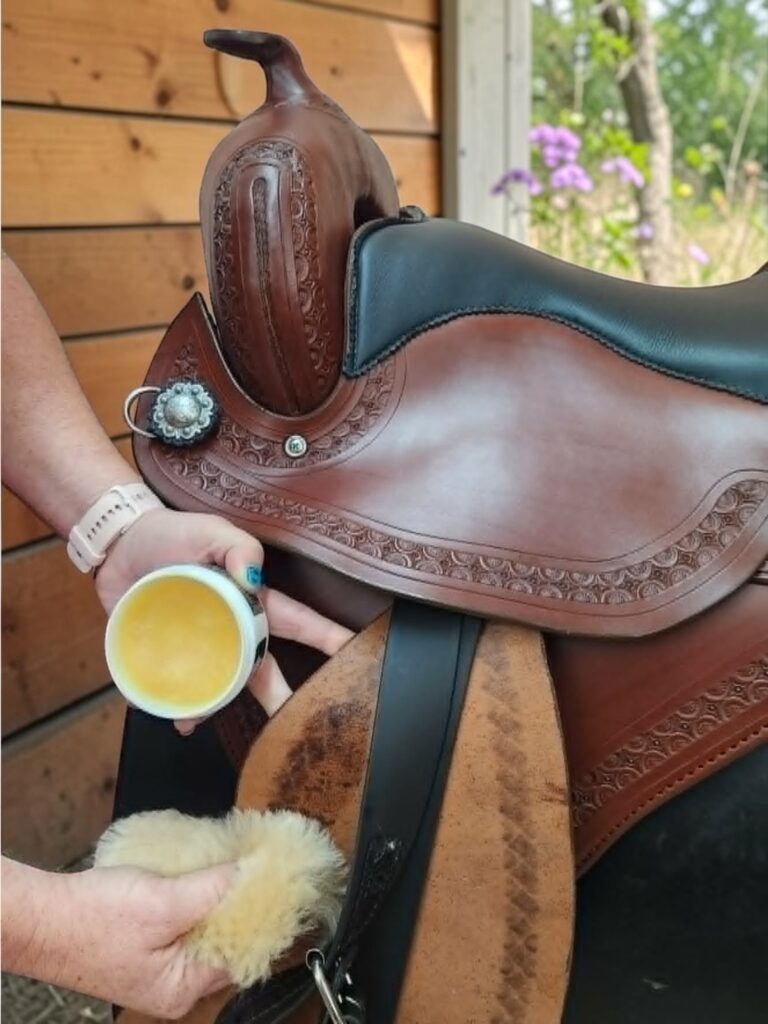
A Simple Saddle-Care Routine
After Each Ride
Remove dirt, dust, hair, and debris from the saddle using a soft brush or clean, dry cloth.
Pay special attention to areas where sweat and dirt tend to collect, including:
- Under the fenders
- Around the rigging
- Beneath the seat jockeys
- Near the stirrup leathers
- Along the skirts and saddle edges
Allow any damp areas to dry completely before covering or storing your saddle.
When Your Saddle Needs a Deeper Cleaning
The frequency of a full cleaning depends on how often you ride and the conditions in which your saddle is used. Saddles exposed to heavy dust, sweat, rain, or humidity may require more frequent care.
For routine maintenance, we recommend our complete three-step Saddle Care Kit.
TW Saddlery Saddle Care Kit
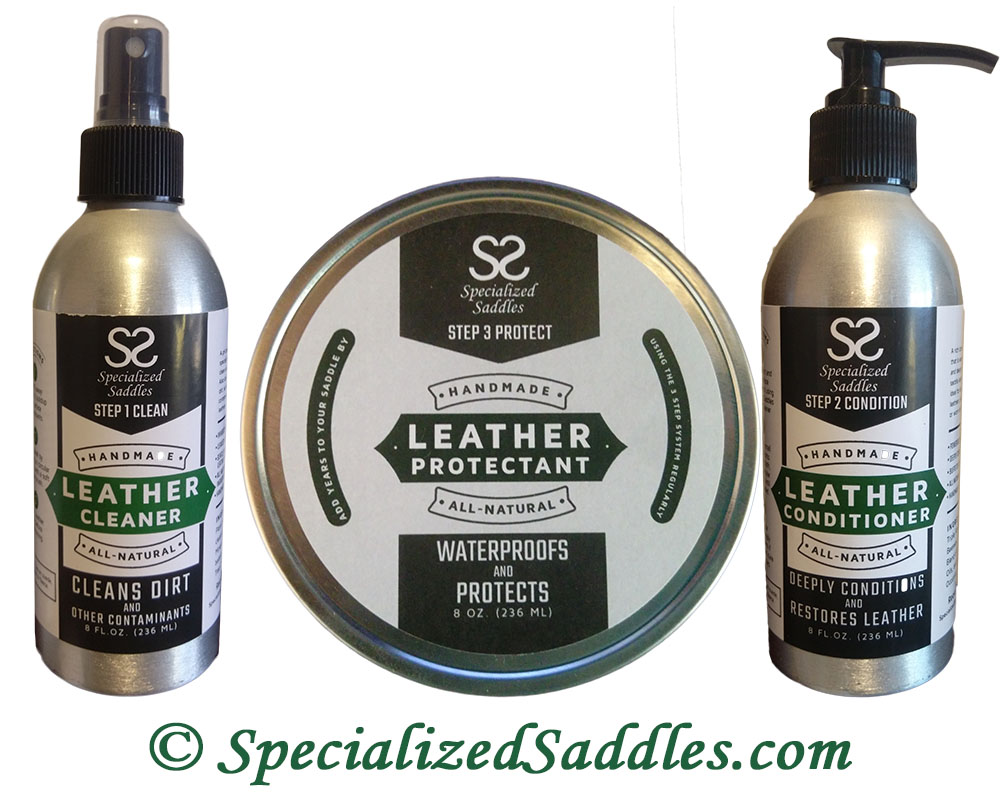
The TW Saddlery Saddle Care Kit includes everything you need to keep your saddle clean, conditioned, protected, and looking its best.
Our three-step system helps remove dirt and contaminants, restore moisture to the leather, and create a protective barrier against the elements.
The complete kit is recommended for the most thorough care, although each product may also be purchased individually.
These products are not intended for use on suede, roughout leather, or fleece.
Step 1:
Leather Cleaner
Begin by removing loose dirt and dust with a soft cloth or brush. Apply a small amount of Leather Cleaner to a clean cloth and gently work it into the finished leather.
Our pH-balanced Leather Cleaner is specially formulated for saddles and tack. It helps remove dirt, surface stains, sweat, and other contaminants without leaving behind a heavy residue.
Features
- Inhibits mold and mildew
- Leaves no residue
- Gentle on finished leather
- Made with natural, plant-based ingredients
After cleaning, wipe away any excess product and allow the leather to dry before applying conditioner.
Step 2:
Leather Conditioner
Once the leather is clean and dry, apply the Leather Conditioner using a clean, soft cloth. Work it evenly into the leather using light, circular motions.
This rich lotion conditioner is easily absorbed and helps restore moisture, flexibility, and softness to saddle leather. It is also ideal for tack, untreated leather, and leather that has become dry or worn.
Features
- Provides powerful leather restoration
- Deeply conditions dry leather
- Helps restore flexibility
- Buffs to a beautiful shine
- Made with natural ingredients
Allow the conditioner to absorb before gently buffing the leather with a clean cloth.
Step 3:
Leather Protectant
Finish your saddle-care routine with Leather Protectant. Apply a thin, even layer by hand, with a soft cloth, or with a clean piece of fleece.
This wax conditioner provides maximum protection and restoration for saddle leather. It is especially helpful for saddles and tack that are regularly exposed to moisture, dust, humidity, or outdoor conditions.
Features
- Provides superior water resistance
- Offers long-lasting protection
- Easy to apply by hand or with fleece
- Buffs to a beautiful shine
- Made with natural ingredients
Allow the protectant to absorb, then buff the leather gently to achieve the desired finish.
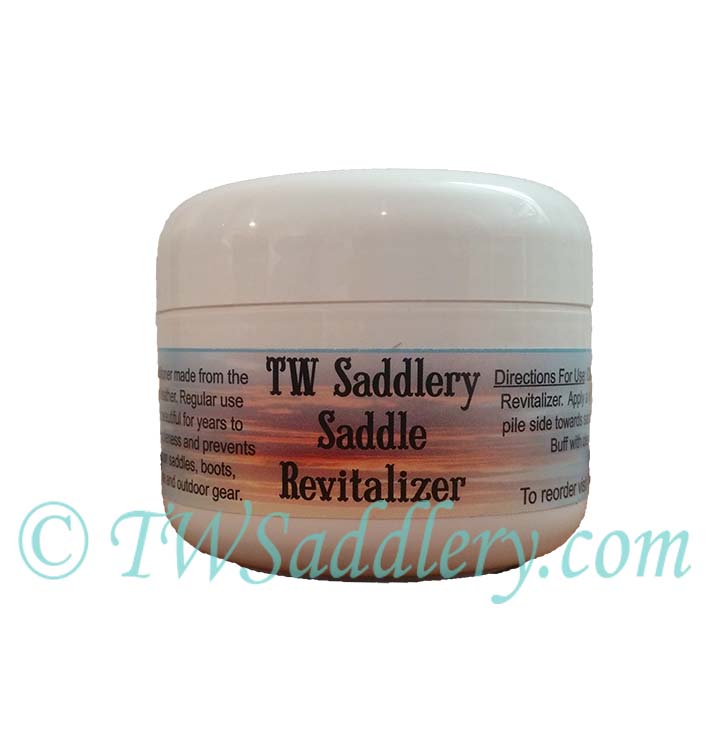
TW Saddlery Saddle Revitalizer
For regular conditioning between complete cleanings, the
TW Saddlery Saddle Revitalizer is an excellent way to preserve, soften, and protect your leather.
This premium leather conditioner is made with high-quality ingredients that penetrate and condition the leather without leaving a heavy residue. Regular use helps maintain flexibility, prevent drying and cracking, and restore the leather’s natural richness and beauty.
Benefits of Saddle Revitalizer
Preserves and Protects
Keeps leather strong, supple, and richly conditioned for years of continued use.
Helps Prevent Cracking
Regular conditioning improves flexibility and helps reduce premature wear caused by dry leather.
Restores Natural Beauty
Revives leather that appears dry, dull, faded, or worn while helping maintain its timeless appearance.
Versatile Leather Care
In addition to your TW Saddlery saddle, the Revitalizer may be used on finished leather items such as:
Bridles
Breast collars
Boots
Chaps
Leather tack
Leather outdoor gear
Convenient Size
The 6 oz. container is easy to store and ideal for routine saddle and tack maintenance.
Do not use Saddle Revitalizer on suede, roughout leather, fleece, or fabric.
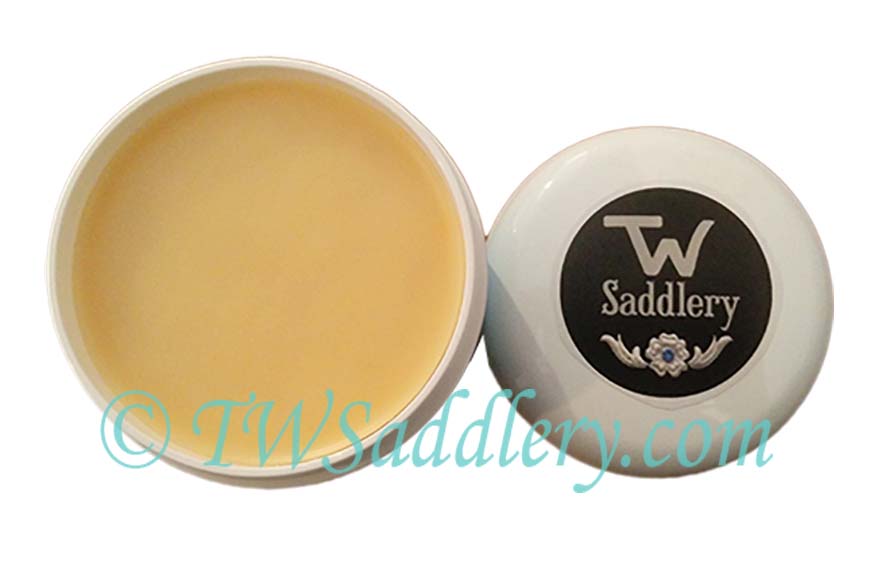
Saddle Care Kit or Saddle Revitalizer?
The Saddle Care Kit is the best choice when your saddle needs a complete cleaning and protection treatment. Its three-step system cleans away dirt and contaminants, restores moisture, and adds a protective finish.
The Saddle Revitalizer is ideal for routine conditioning between deeper cleanings or whenever the leather begins to feel dry or lose its natural richness.
Many riders keep both products on hand:
Use the Saddle Care Kit for thorough seasonal or as-needed maintenance. Use the Saddle Revitalizer for regular conditioning and touch-ups.
Additional Saddle-Care Tips
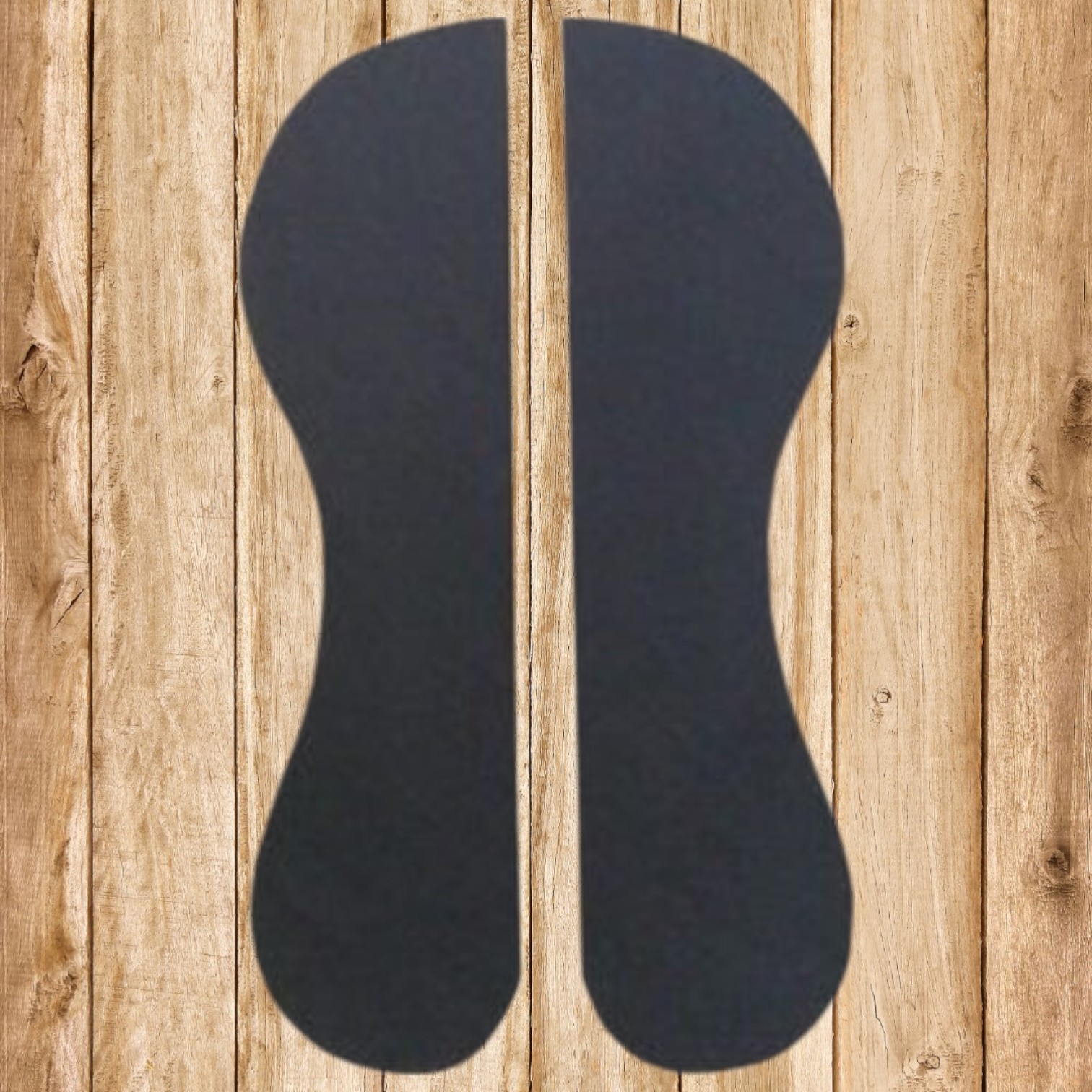
Caring for Your Fitting Cushions
Your TW Saddlery fitting cushions are a wear item, much like the tires on your vehicle. While the saddle tree itself is designed to last for many years, the fitting cushions naturally compress with regular use and will eventually need to be replaced.
On average, fitting cushions last 5–10 years, depending on how frequently you ride, your riding conditions, and how the saddle is stored. Riders who spend many hours in the saddle each week may find they need replacement cushions sooner than occasional riders.
Protecting Your Fitting Cushions During Storage
How you store your saddle can have a significant impact on the life of your fitting cushions.
Whenever your saddle is stored on a trailer saddle rack, metal saddle stand, wooden saddle rack, or tack room saddle stand, we recommend placing a thick saddle pad or folded saddle blanket beneath the saddle. This helps distribute the saddle’s weight evenly and reduces pressure on the fitting cushions.
When a saddle rests directly on a narrow rail or hard surface for extended periods, the weight becomes concentrated in a small area. Over time, this can create compression lines or flat spots in the fitting cushions where they contact the stand. Instead of maintaining a smooth, even surface, the cushions may lose some of their ability to evenly support the saddle.
Using a thick saddle pad or folded saddle blanket creates a broader, more supportive surface that helps preserve the shape of the fitting cushions and extend their service life.
This simple step can add years to the life of your fitting cushions and help keep your saddle fitting and performing exactly as designed.
Know When It Is Time for New Cushions
As fitting cushions age, they gradually lose their resilience and ability to support the saddle as effectively as they once did. If your cushions have become noticeably compressed, uneven, or no longer rebound after use, it may be time to replace them.
Fresh fitting cushions help your saddle continue to perform as designed, providing the proper support, adjustability, and comfort for both horse and rider.
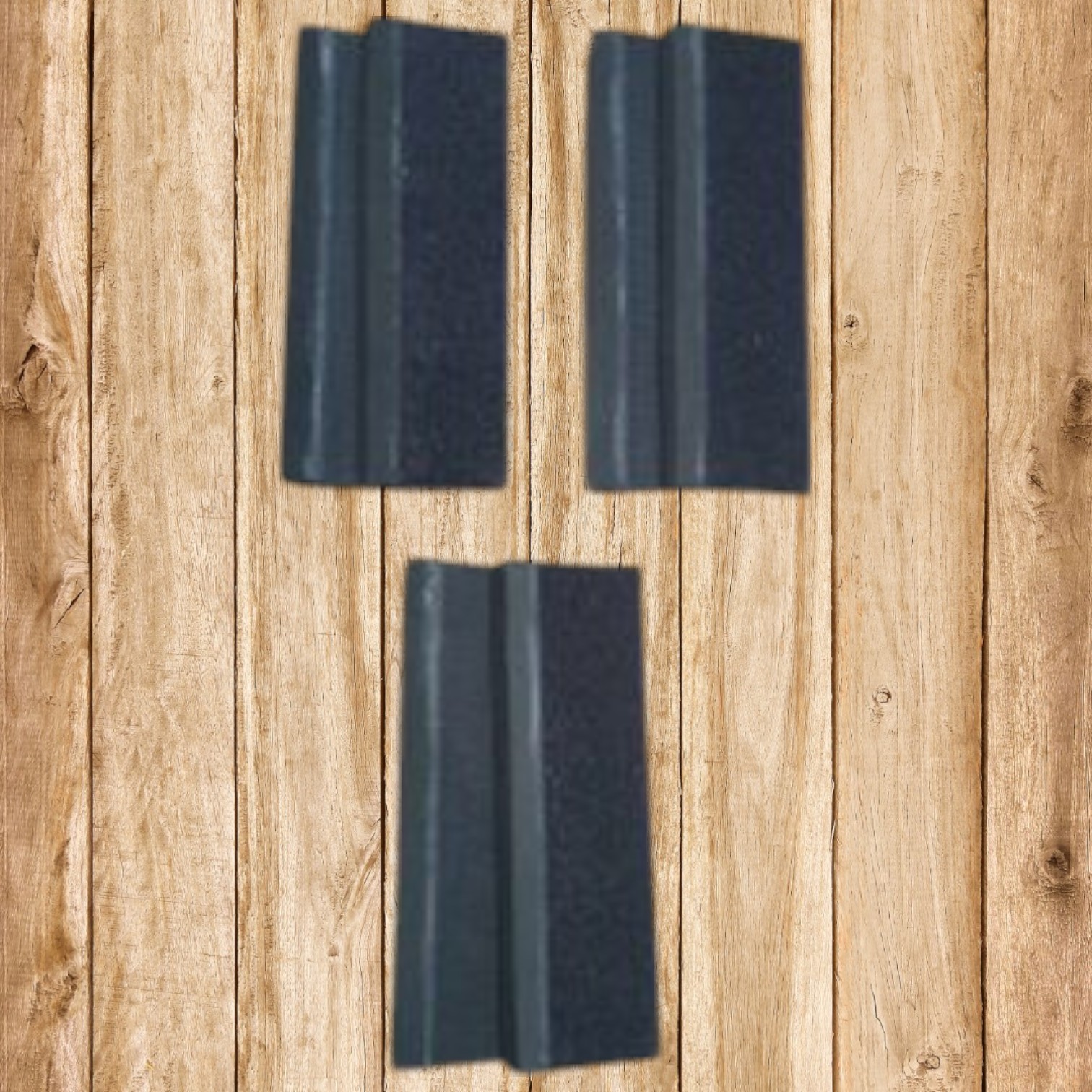
Handling the Cushions and Fitting Inserts
Whenever you remove or reposition your fitting cushions or fitting inserts, always grasp them by the Velcro, not by the foam or fabric itself.
Pulling on the cushion material instead of the Velcro can eventually separate the hook-and-loop material from the cushion or insert.
If the Velcro Comes Loose
Accidents happen, and if the Velcro separates from a fitting cushion or insert, there is no need to replace it.
Simply apply a small amount of Barge All-Purpose Contact Cement to both surfaces, allow it to become tacky according to the manufacturer’s directions, and press the Velcro firmly back into place. Once cured, it will provide a strong, durable bond and have your fitting cushion ready for use again.
Store Your Saddle Properly
Store your saddle in a clean, dry, well-ventilated area. Keep it away from direct sunlight, excessive heat, and damp environments.
Whenever possible, place the saddle on a properly shaped saddle stand that supports the tree and skirts.
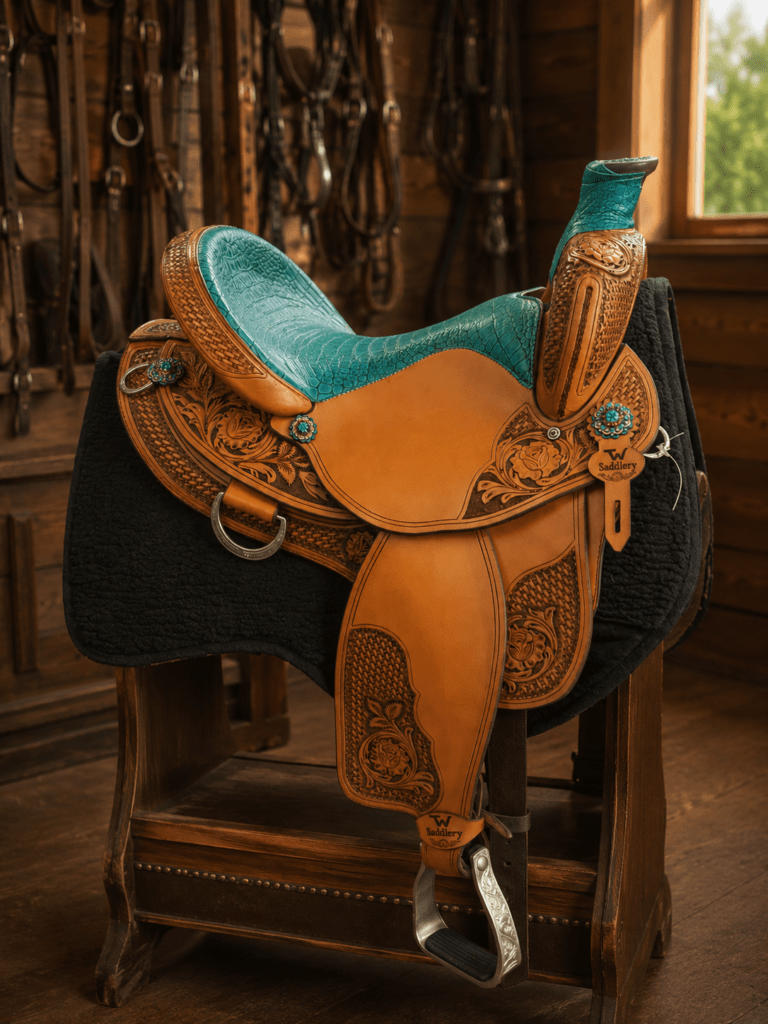
Pay Special Attention to Your English Billets or Latigo and Off Billets
One of the most overlooked areas of saddle maintenance is the leather latigo and off billets. These pieces of leather
are in constant contact with your cinch and are exposed to sweat, dirt, dust, and moisture every time you ride.
Because of this, they tend to dry out and wear more quickly than other areas of the saddle if they are not cleaned and conditioned regularly.
As part of your routine leather care:
- Wipe the latigo and off billets down after riding whenever they becomesweaty or dirty.
- Clean them thoroughly with Leather Cleaner as needed to remove built-upsweat, grime, and contaminants.
- Follow with Leather Conditioner to restore moisture and maintainflexibility.
- If your saddle is frequently exposed to wet or muddy conditions, finishwith Leather Protectant to help shield the leather from the elements.
Keeping your latigo and off billets clean and well-conditioned will help prevent premature drying, cracking, and stretching while extending the life of these high-use components of your saddle.
Avoid Plastic Storage Covers
A breathable saddle cover is always preferable to plastic. Plastic can trap moisture, restrict airflow, and increase the risk of mold and mildew, especially in humid environments.
Whether your saddle is stored in the tack room, riding in the trailer, or traveling to an event, using a breathable cover helps protect it from dust, dirt, scratches, and everyday wear while allowing the leather to breathe. TW Saddlery offers two great options depending on how you store and transport your saddle.
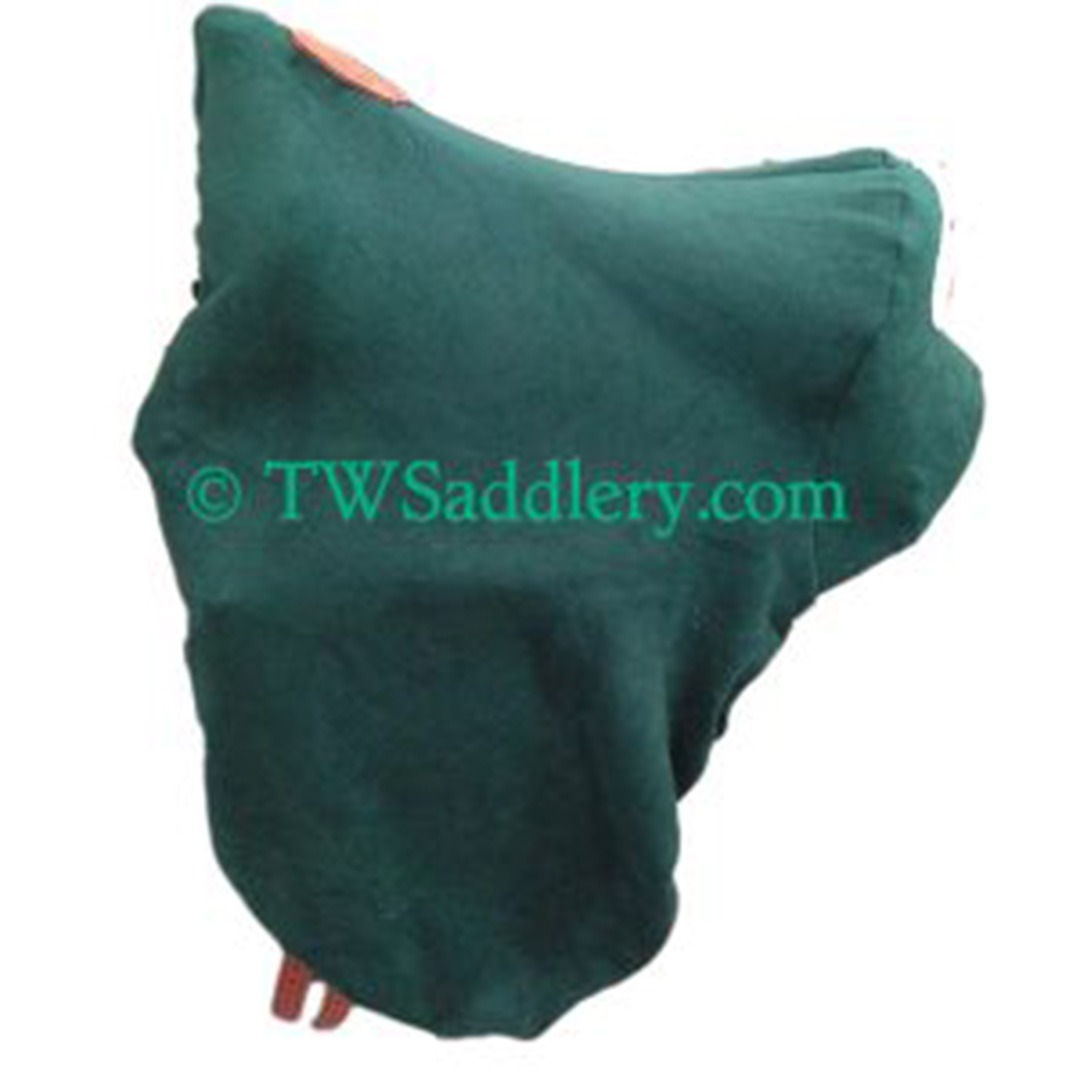
Fleece Saddle Cover
A soft, breathable option for protecting your saddle from dust, dirt, and scratches during storage.
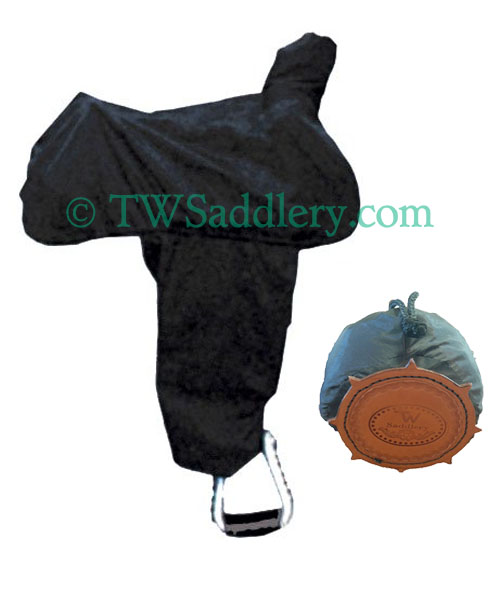
Saddle & Fenders Cover + Tote
Protects both the saddle and fenders and includes a convenient tote for storage and travel.
Never Use Direct Heat
Do not place a wet saddle near a heater, fireplace, or other direct heat source. Rapid drying can remove the leather’s natural moisture and cause stiffness or cracking.
Remove Sweat and Moisture
Sweat contains salts that can dry and damage leather over time. Wipe down areas that come into contact with the horse after riding, especially following long or strenuous rides.
Do Not Over-Condition
Leather should feel supple, not greasy or saturated. Applying too much conditioner can soften the leather excessively and attract additional dirt. Several light applications are better than one heavy application.
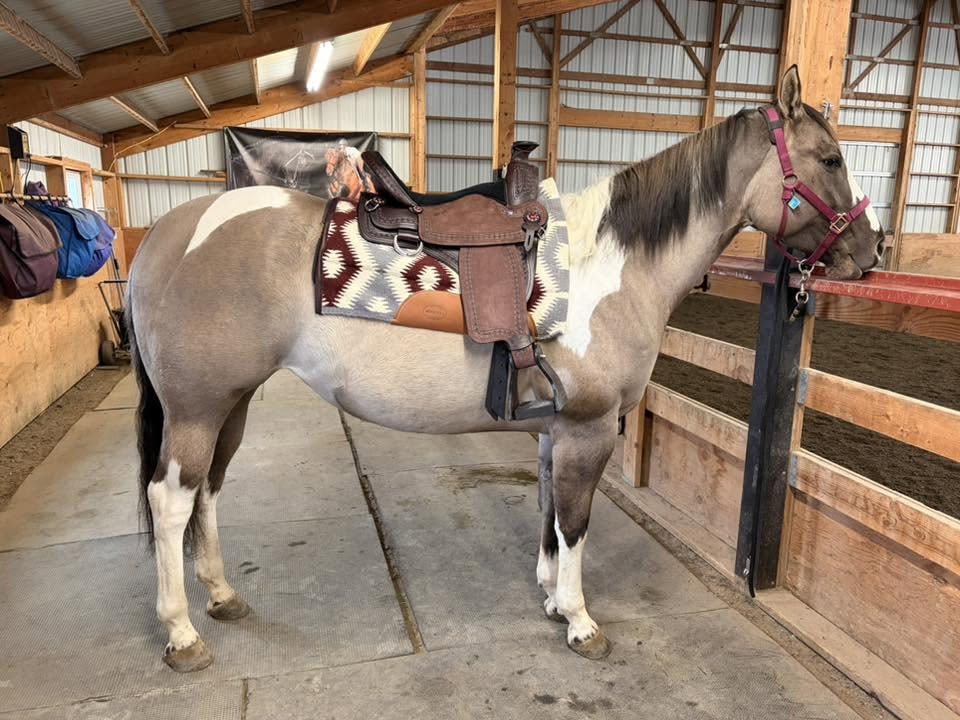
Perform a Quick Safety Check Before You Ride
Just as you routinely inspect your bridle before mounting, it is equally important to give your saddle a quick inspection from time to time.
Making a quick saddle inspection part of your pre-ride routine is one of the easiest ways to improve both safety and the long-term reliability of your TW Saddlery saddle.
Before riding, take a moment to check that all of your saddle hardware is secure, including:
- Conchos
- Saddle screws
- Rigging hardware
- Leather latigo
- D-rings and other accessories
Normal riding vibration and regular use can occasionally cause hardware to loosen over time. A quick inspection only takes a minute and can help prevent lost hardware or more serious equipment issues while you are in the saddle.
If you notice a loose screw or concho, tighten it before riding. If any hardware appears damaged, excessively worn, or missing, replace it before using the saddle again.
Need a replacement part? TW Saddlery offers genuine replacement hardware and components designed specifically for your saddle, including conchos, set screws, D-rings, billet straps, latigos, fitting cushions, fitting inserts, and more.
Saddle Care FAQs
How often should I oil a leather saddle?
A leather saddle should only be conditioned when the leather begins to feel dry. Over-conditioning can attract dirt and soften the leather more than intended. Regular cleaning followed by conditioning as needed is generally better than applying oil on a fixed schedule.
What should I do if my leather saddle gets wet?
Yes. If your saddle gets caught in the rain, allow it to air dry naturally at room temperature. Never use a heater, hair dryer, or direct sunlight to speed up the drying process, as excessive heat can dry out and damage the leather.
Once the saddle is completely dry, wipe away any remaining dirt or sweat and apply leather conditioner if the leather feels dry.
How should I store my saddle for the winter?
Before long-term storage, thoroughly clean and condition the leather. Store your saddle on a properly padded saddle stand using a thick saddle pad or folded saddle blanket to distribute its weight evenly. Cover it with a breathable saddle cover and keep it in a cool, dry, well-ventilated area away from direct sunlight and excessive humidity.
Why does my saddle squeak?
A squeak is often caused by new leather breaking in or leather that has become dry over time. Cleaning and conditioning the leather usually resolves the issue. If the squeak persists, inspect your saddle hardware to ensure everything is secure.
How do I remove mold from a leather saddle?
Clean the affected areas with saddle soap and allow the leather to dry naturally. Once dry, apply a quality leather conditioner to restore moisture. Improving ventilation and avoiding plastic storage covers can also help prevent mold from returning.
Why does my saddle feel stiff?
Leather naturally loses moisture over time, especially in dry climates or after frequent use. Cleaning followed by a quality leather conditioner will usually restore flexibility.
How often should I replace my fitting cushions?
TW Saddlery fitting cushions typically last 5–10 years, depending on how frequently the saddle is ridden and how it is stored. Inspect them periodically for excessive compression or wear. Replacing worn fitting cushions helps maintain the saddle’s adjustable fit and overall performance.
Avoid These Common Mistakes
- Don’t store your saddle in plastic for extended periods. Plastic traps moisture and can encourage mold and mildew.
- Don’t dry your saddle with direct heat. Heat can dry and damage leather.
- Don’t use harsh household cleaners, bleach, or solvents on leather.
- Don’t over-oil your saddle. Excess oil can soften leather more than intended and attract dirt.
- Don’t ignore loose hardware. Regularly check conchos, screws, and other hardware before riding.
- Don’t store your saddle directly on narrow rails without padding. Always use a thick saddle pad or folded saddle blanket beneath the saddle to help protect the fitting cushions.
Protect the Investment You Ride In
With regular care and maintenance, your TW Saddlery saddle will continue to provide comfort, performance, and an adjustable fit for years to come.
Everything you need—from cleaning and conditioning products to replacement fitting components—is available directly from TW Saddlery.