What Gullet Size, Quarter Horse Bars & Tree Width Really Mean
If you’ve ever tried to find the right saddle tree for your horse, you’ve probably heard terms like 6-inch gullet, 7-inch gullet, 8-inch gullet, Semi Full Quarter Horse Bars, Full Quarter Horse Bars, Gaited Horse Tree, Wide, Extra Wide, Arabian Bars, and more.
They sound like standardized measurements.
They’re not.
One of the biggest misconceptions in saddle fitting is that a particular gullet measurement or tree label will mean the same thing from one saddle manufacturer to another. In reality, there is no universal saddle-industry standard for gullet measurements or terms such as Semi Quarter Horse Bars and Full Quarter Horse Bars.
And even if two saddle trees actually have the same gullet width, that still doesn’t mean they’ll fit a horse the same way.
To understand why, let’s start underneath the leather.
What Is a Saddle Tree?
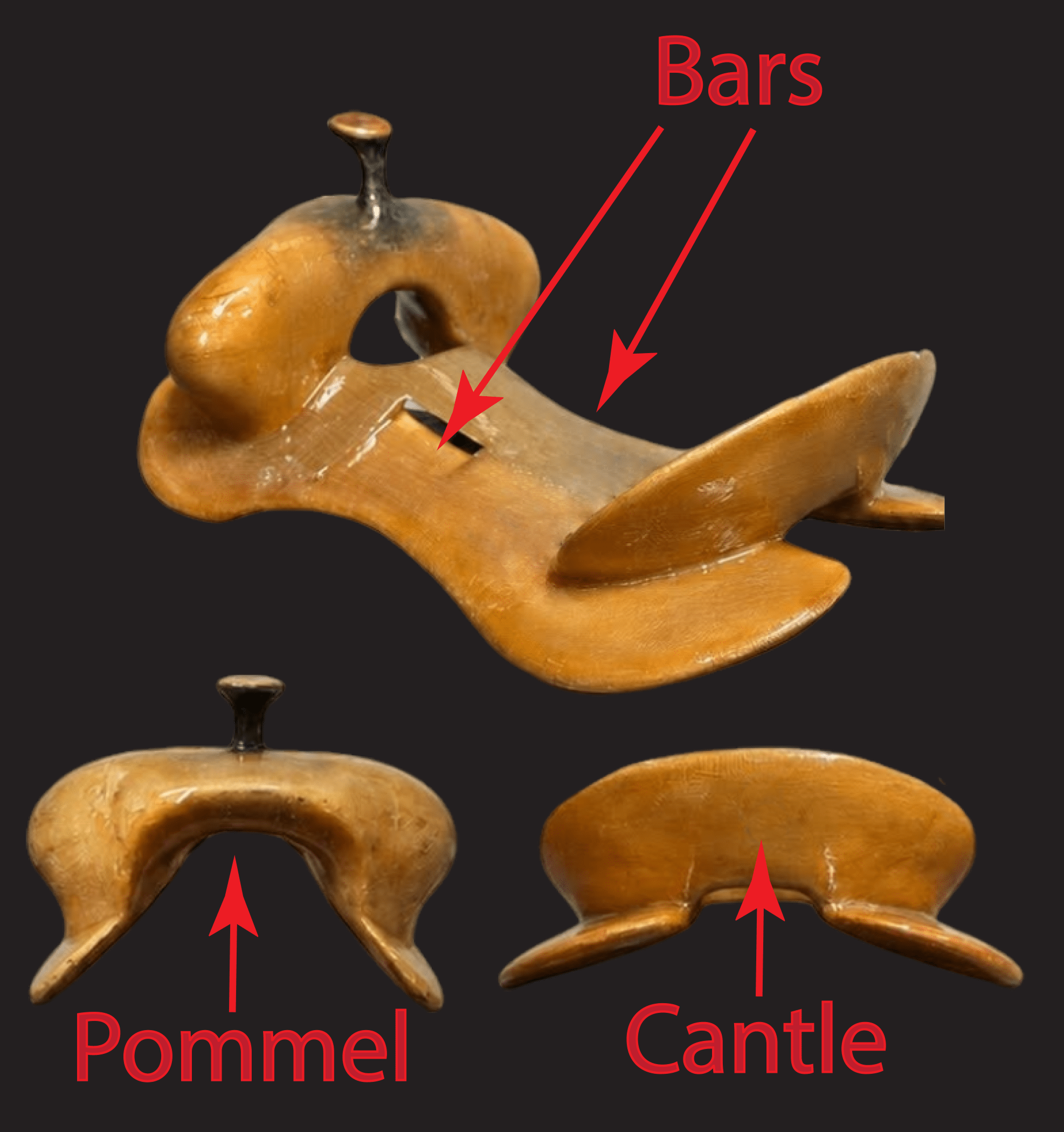
The saddle tree is the structural foundation of a saddle. Think of it as the bones of the saddle. It determines the basic shape of the saddle and, more importantly, how the rider’s weight is distributed across the horse’s back.
A traditional Western-style saddle tree is made up of four main parts: two bars, the fork (or pommel), and the cantle. The two bars run along either side of the horse’s spine, connecting to the fork or pommel at the front and the cantle at the back.
But the width of the tree is only one part of the equation.
A saddle tree also has:
- Bar angle or pitch — the angle at which the bars sit against the horse
- Rock — the front-to-back curvature of the bars
- Twist — the shape and width of the tree through the rider’s seat and thighs
- Flare — how the bars turn away from the horse at the front and back
- Bar length — the overall length of the weight-bearing bars
All of these characteristics affect how a saddle interacts with the horse’s back.
That’s why saddle fit cannot be reduced to a single number.
What Are Saddle Trees Made Of?
Saddle trees can be constructed from several materials, each with its own advantages and limitations. Many traditional Western saddle trees begin with a shaped wooden framework that is then reinforced with either rawhide or fiberglass.
Rawhide-Covered Wood Trees
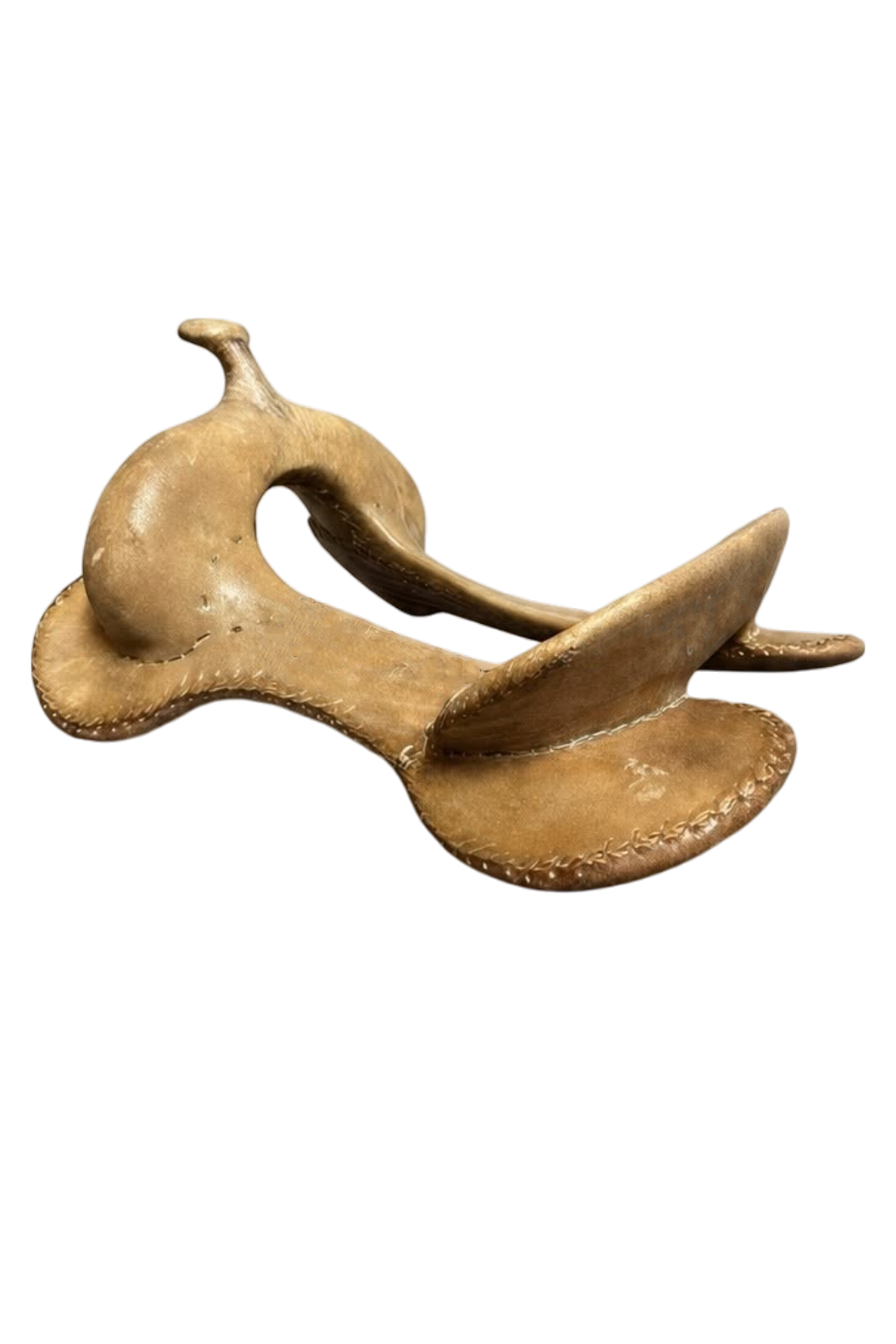
Rawhide-covered trees are made by stretching wet rawhide over a wooden framework and stitching it into place. As the rawhide dries, it shrinks tightly around the wood, adding strength and protection.
This is a time-tested construction method that is often preferred for traditional working and roping saddles. However, because rawhide is an organic material, its long-term condition can depend on the original workmanship, sealing, age, storage and exposure to moisture.
Fiberglass-Covered Wood Trees
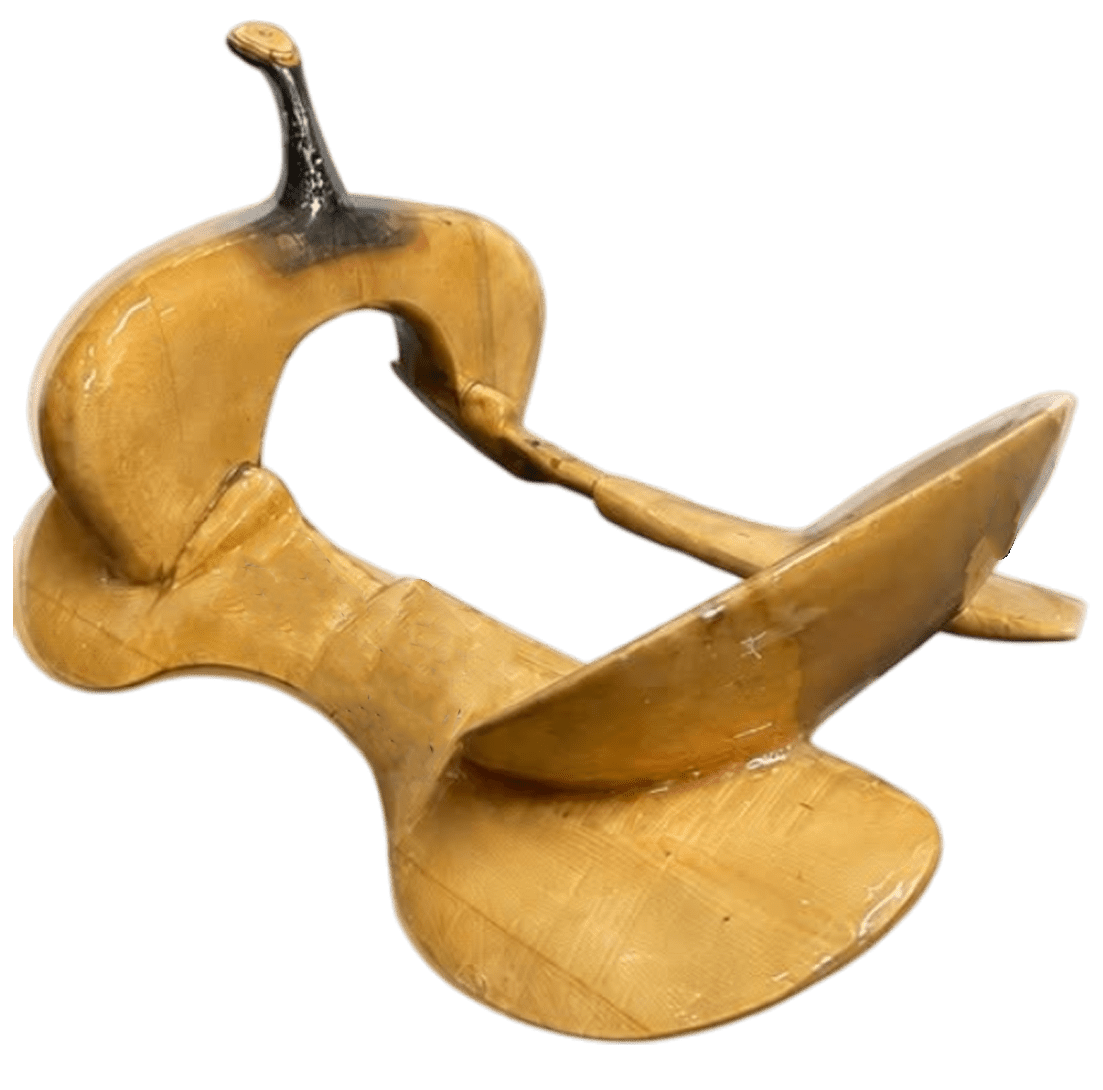
A fiberglass-covered tree also begins with a shaped wooden framework, but the wood is encased in fiberglass and resin. Once cured, the fiberglass creates a strong, continuous and moisture-resistant protective shell.
TW Saddlery uses fiberglass-covered wood trees because they combine the shaping capabilities and structural support of wood with a durable, lightweight and moisture-resistant fiberglass covering.
Synthetic Saddle Trees
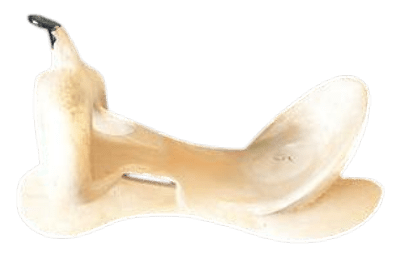
Synthetic trees are molded from manufactured materials rather than wood. They can be lightweight, moisture-resistant and consistent from one tree to another, but their durability depends heavily on the specific material, design and manufacturing process.
TW Saddlery has used synthetic trees in the past, and our experience included trees that developed cracks after heavy use and exposure to temperature extremes. This does not mean every synthetic tree will crack, but it does demonstrate that lightweight does not automatically mean stronger or better.
Ultimately, the material a saddle tree is made from does not determine whether it will fit your horse.
A beautifully constructed tree made from excellent materials is still the wrong tree if its shape doesn’t match the horse underneath it.
And that brings us to one of the biggest saddle-tree myths.
Saddle Tree Myth #1: “My Horse Needs an 8-Inch Gullet”
Maybe.
But the first question should be:
How was that 8 inches measured?
One of the biggest problems with using gullet width alone to shop for a saddle is that there is no universal industry standard requiring every saddle manufacturer to measure gullet width from the exact same points on the tree.
At TW Saddlery, we measure the gullet at the tree where the bars tie into the pommel. However, you’ll also find saddle companies and published saddle-sizing guides that reference gullet measurements taken farther forward, including measurements taken near or level with the front conchos.
Those are not the same points on the saddle—and that’s where comparing gullet measurements between brands becomes a problem.
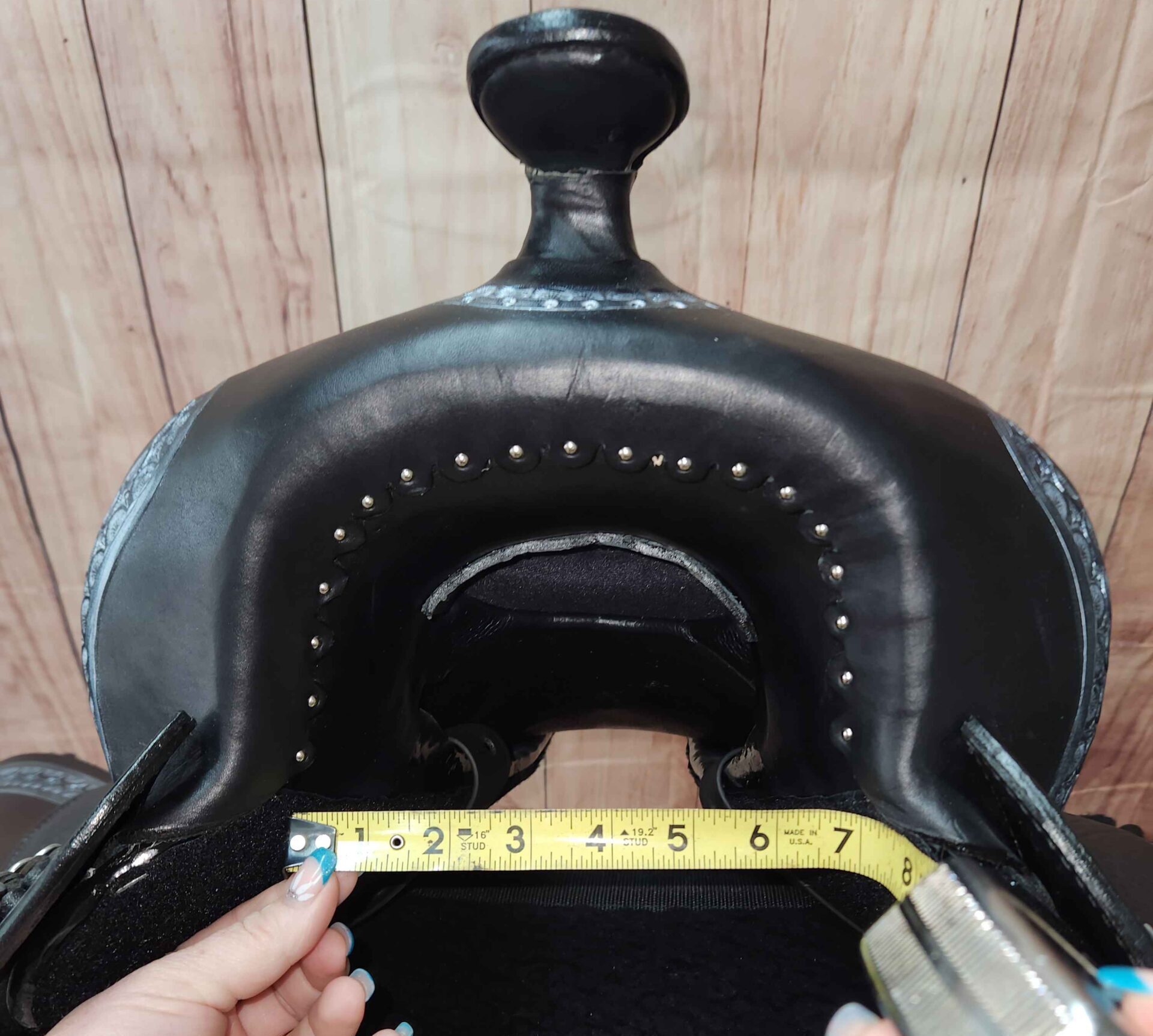
Change the measuring point and you can change the number without changing the actual tree. An 8-inch gullet from one manufacturer is not automatically equivalent to an 8-inch gullet from another manufacturer.
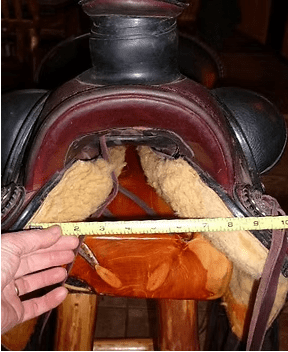
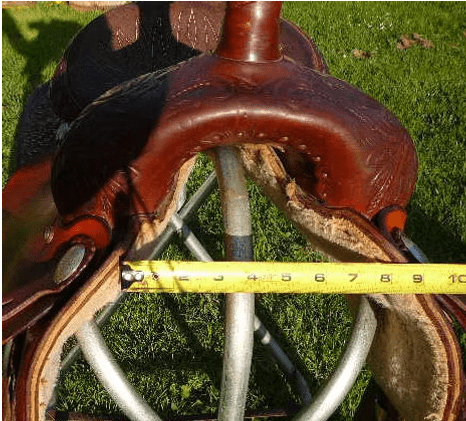
That’s why telling us, “My horse needs an 8-inch gullet,” provides useful information about what you’ve tried before, but it doesn’t necessarily tell us exactly what tree your horse needs.
We need to know more about the actual shape of the horse—and the tree.
Saddle Tree Myth #2: “My Horse Needs Full Quarter Horse Bars”
This is another extremely common way riders describe their horse’s saddle fit:
“He needs Full Quarter Horse Bars.”
Or:
“She takes Semi Quarter Horse Bars.”
The problem is that Full Quarter Horse Bars and Semi Quarter Horse Bars are not standardized dimensions across the saddle industry.
And you can see that simply by comparing published saddle-sizing information from different companies.
For example, one saddle company may describe:
- Semi Quarter Horse Bars as approximately a 6½-inch gullet
- Quarter Horse Bars as approximately a 6¾-inch gullet
- Full Quarter Horse Bars as approximately a 7-inch gullet
Another company may describe:
- Semi Quarter Horse Bars as approximately 6 to 6½ inches
- Full Quarter Horse Bars as approximately 6¾ to 7 inches
That means a 6¾-inch tree can be described as Quarter Horse Bars by one company and Full Quarter Horse Bars by another.
Same number. Different label.
And even that comparison doesn’t tell us the whole story.
The terms Semi Quarter Horse Bars and Full Quarter Horse Bars don’t specify one universally accepted:
- Gullet width
- Bar spread
- Bar angle
- Rock
- Twist
- Flare
- Bar length
- Overall tree shape
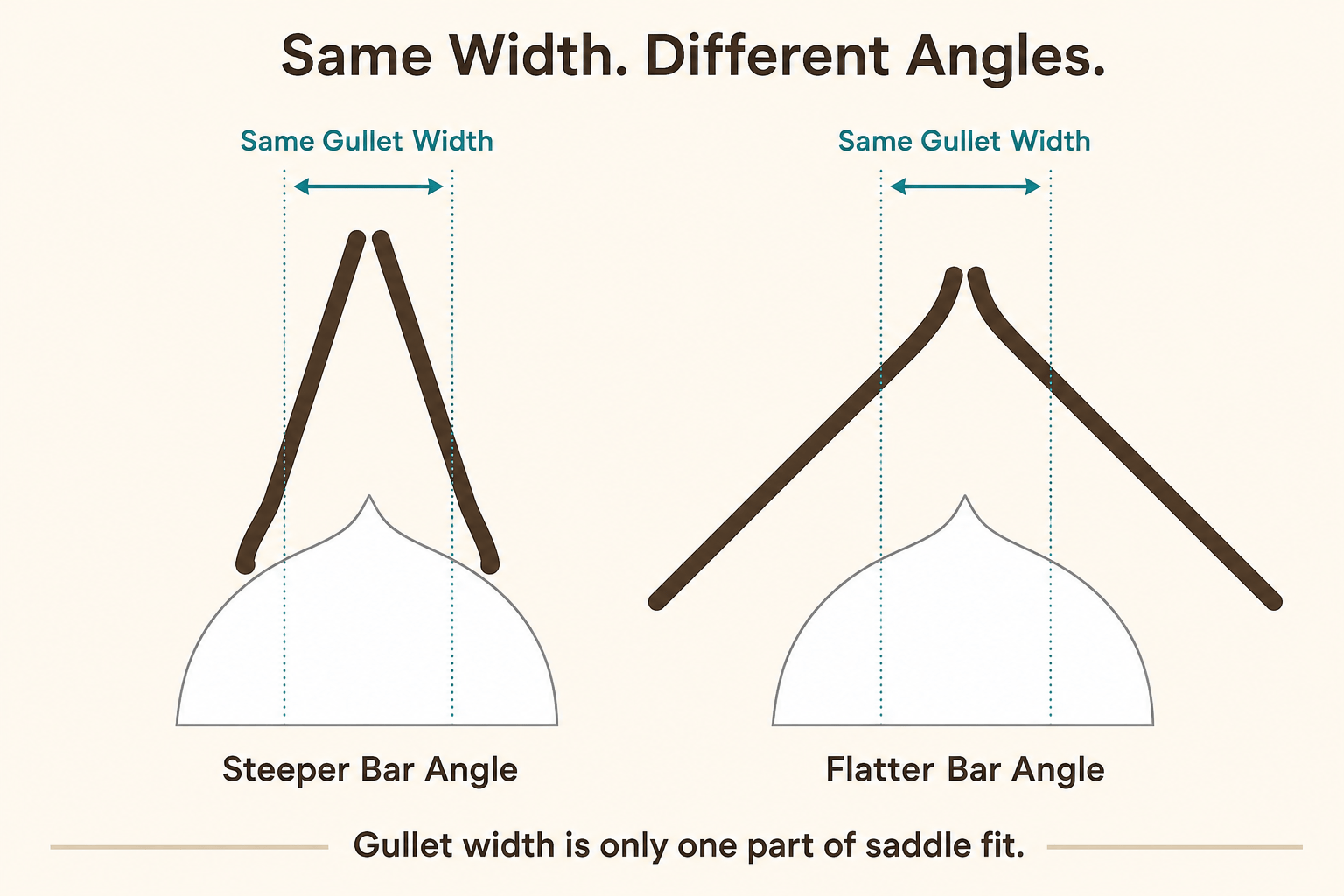
Two saddle trees could even have the same measured width but completely different bar angles. One may have steeper bars designed to correspond with a more angular horse, while another opens at a flatter angle for a broader, rounder shape. So even if two manufacturers both call their tree Full Quarter Horse Bars, that does not mean those trees will fit the same horse the same way.
And this is why saying:
“My horse needs Full Quarter Horse Bars”
can help tell us what you’ve ridden in before, but it cannot tell us exactly what tree shape your horse needs. The label isn’t the fit. The horse underneath the saddle is.
Saddle Tree Myth #3: “If I Know the Correct Gullet Width, the Saddle Will Fit”
This is probably the most important myth of all.
Imagine two saddle trees that have exactly the same gullet width. From the front, that measurement may look perfect—but one tree has bars that descend at a steep angle, while the other has bars that open at a much flatter angle.
Gullet Width Is Only One Dimension
Remember that width and angle work together. Two trees can have the same gullet measurement and still contact the horse very differently because of the angle at which their bars descend.
This also means that a larger gullet measurement does not automatically indicate a wider-fitting saddle. A tree may be wide enough at the gullet but have bars that are too steep for the horse. Another may have the same gullet width but bars that are too flat. Either situation can create uneven contact and pressure.
Think about the shape of your horse’s back. A horse isn’t simply six inches, seven inches or eight inches wide. The shoulders have an angle. The back has curvature from front to back. The topline changes through the thoracic region. The loin has its own shape and angle. Horses also aren’t always perfectly symmetrical from left to right.
This is why looking at a saddle tree as a three-dimensional shape is so important. The horse’s back is three-dimensional, and the fitting system needs to account for more than one measurement across the front.
Saddle Tree Myth #4: “If the Front Fits, the Tree Fits”
What about the rest of the horse?
A saddle tree doesn’t stop behind the withers. The bars extend along the horse’s back, and their shape needs to correspond with the horse from front to back.
This front-to-back curvature is commonly called the rock of the tree.
Some horses have relatively flat backs.
Others have considerably more curvature.
If the rock of the tree doesn’t correspond well with the horse’s back, you can have areas of excessive pressure and areas where the tree has insufficient contact.
That’s why simply measuring across the horse’s shoulders doesn’t tell you everything you need to know about saddle fit.
Saddle Tree Myth #5: “If the Saddle Sits Right, the Tree Fits”
One of the challenges of evaluating the fit of a traditional Western saddle is that you can’t always see what’s happening underneath it.
Most traditional Western saddles have large, fleece-lined skirts beneath the tree. Those skirts serve an important purpose, but they also cover the tree bars—the very part of the saddle whose relationship with the horse’s back we’re trying to evaluate.
The skirts can also be fairly stiff, making it difficult to simply lift the edge of the saddle and get a clear look underneath while it is sitting naturally on the horse.
That means a saddle can look perfectly reasonable from the outside while making it difficult to visually evaluate:
- Where the bars are contacting the horse
- Whether contact is even from front to back
- How the front of the bars relates to the horse’s shoulder angle
- What’s happening toward the rear of the bars and loin
- Whether the left and right sides are fitting similarly
- How much clearance exists along the horse’s spine
What If You Could Actually See the Fit?
This is one of the major differences with a TW Saddlery saddle.
Our design allows you to easily lift the saddle and visually inspect how the bars and fitting cushions are contacting the horse’s back. Instead of the critical fitting area being hidden beneath heavy fleece-lined skirts, you can see what is happening underneath the saddle.
TW Saddles also have an open spinal channel, giving you a clear view down the horse’s spine and making it easier to evaluate spinal clearance from front to back.
We don’t believe saddle fit should be something you have to guess at from the outside.
When you’re evaluating width, angle, rock and overall contact, being able to see the fit gives you information that a tree-size label or gullet measurement never can.
The Real Question Isn’t “What Gullet Does My Horse Need?”
A better question is:
What shape does my horse need?
We need to consider:
Width — How broad is the horse through the front of the saddle area?
Shoulder angle — At what angle does the horse’s body fall away from the withers?
Rock — What is the front-to-back curvature of the horse’s back?
Rear angle — How does the horse’s back transition toward the loin?
Asymmetry — Is one side shaped differently from the other?
Suddenly, trying to fit an entire horse with a label like “7-inch gullet” doesn’t seem quite as precise.
That’s the problem TW Saddlery’s fitting system was designed to solve.
A Different Approach: TW Saddlery’s 3-D Adjustable Fit System
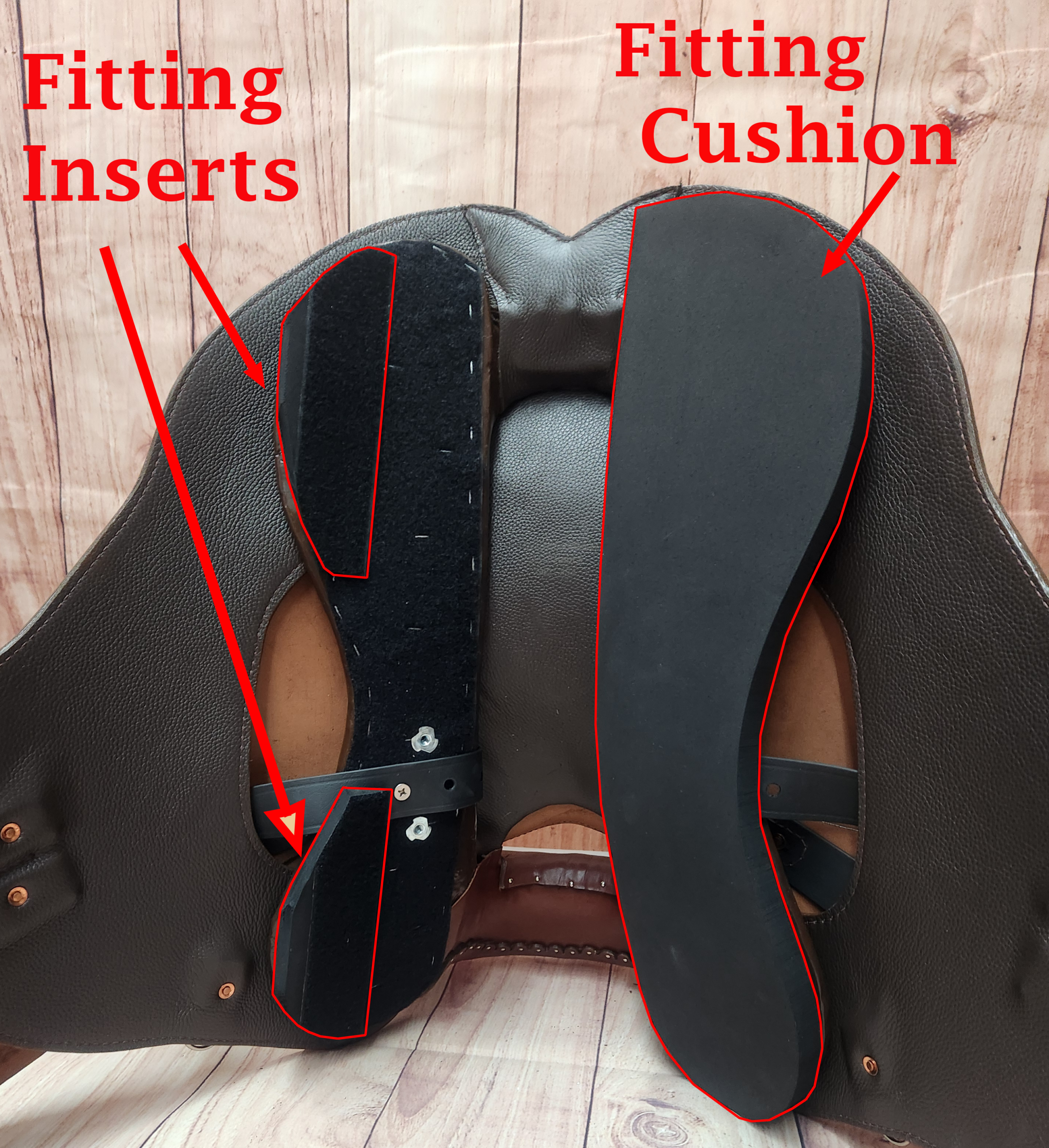
Instead of expecting every horse to conform to a predetermined tree shape, TW Saddlery uses our patented 3-D Adjustable Fit System to customize the fit beneath the tree.
This allows us to address the horse in three dimensions rather than relying solely on a gullet measurement.
Adjust the Width
|
|
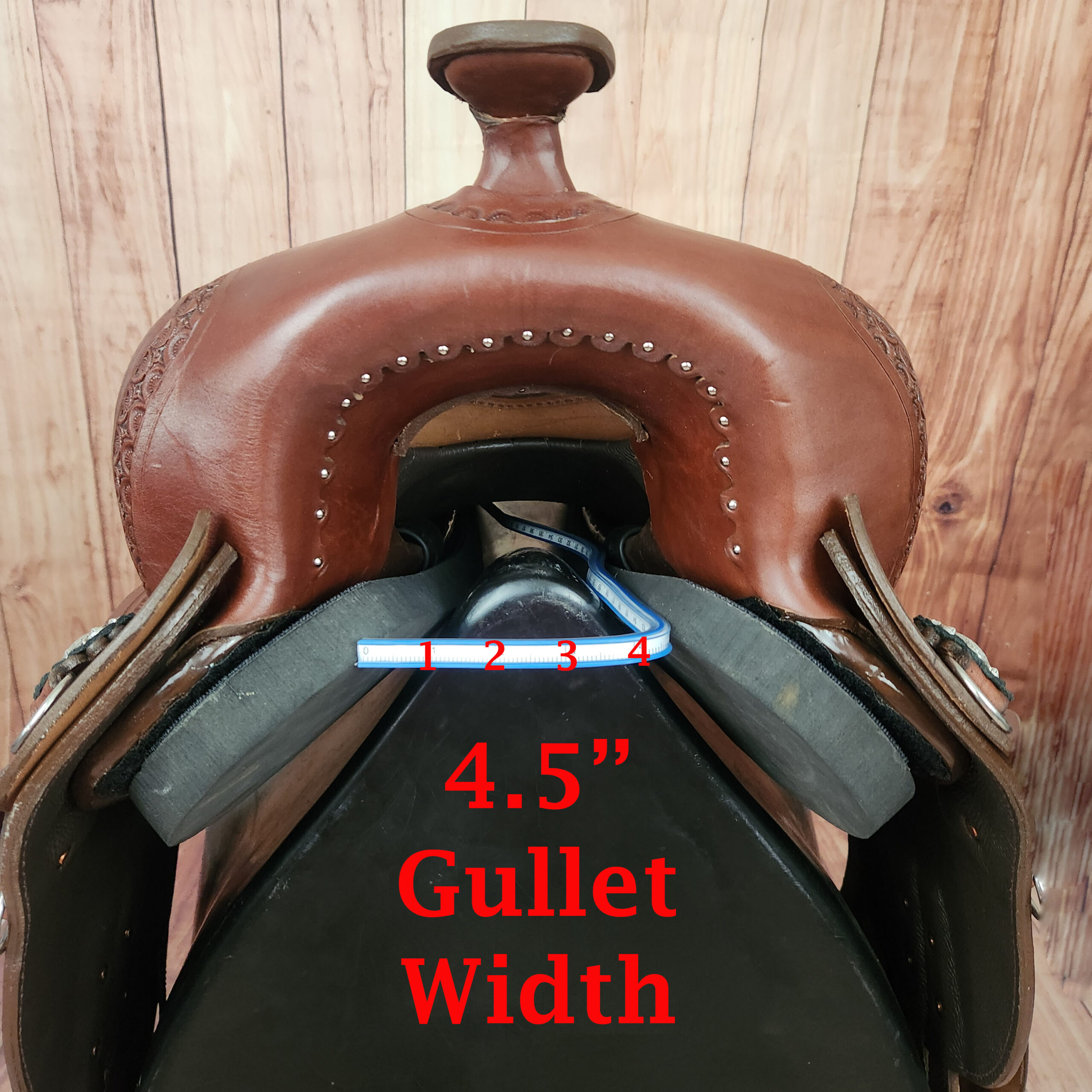
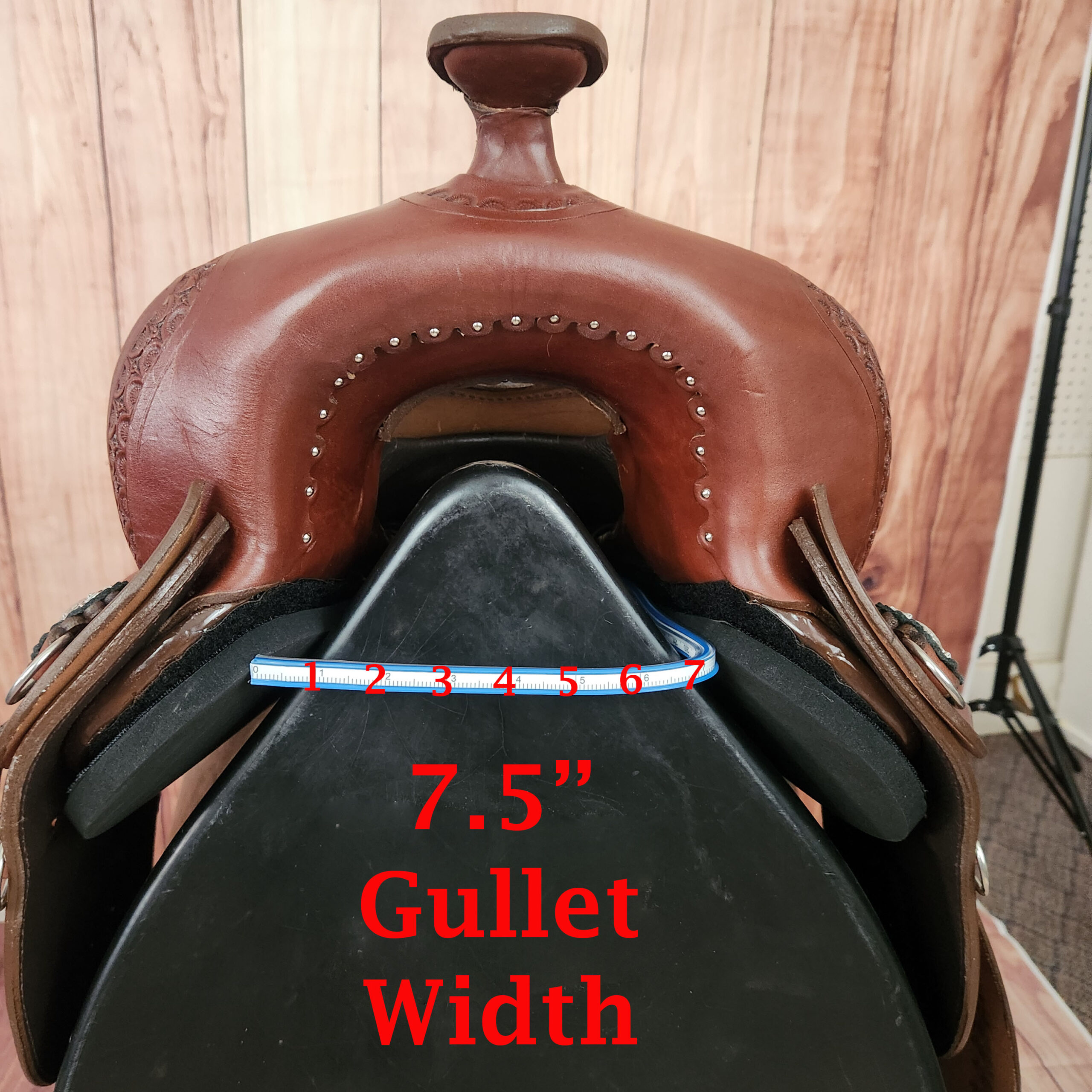
If the underlying tree is somewhat wider or narrower than the horse needs, our fitting system allows us to adjust the effective fit.
That means we’re not trying to make a horse fit one rigid width based on a single measurement.
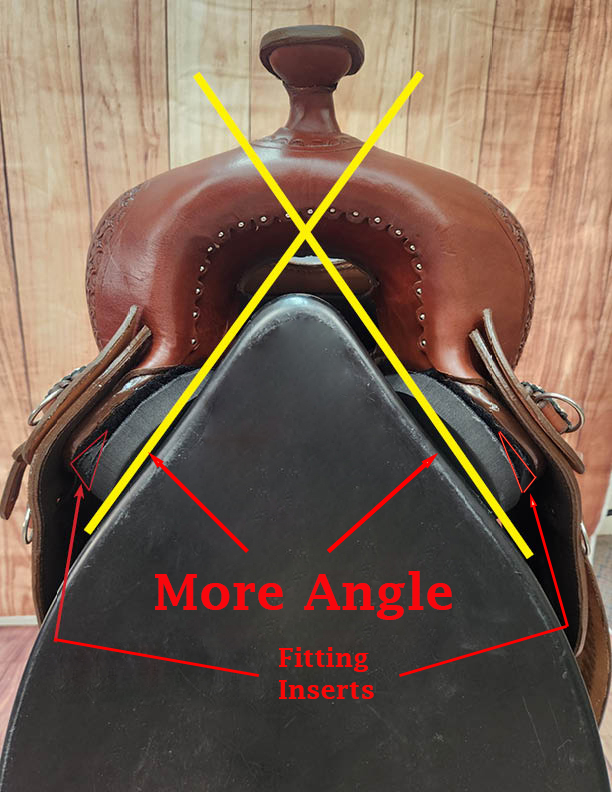
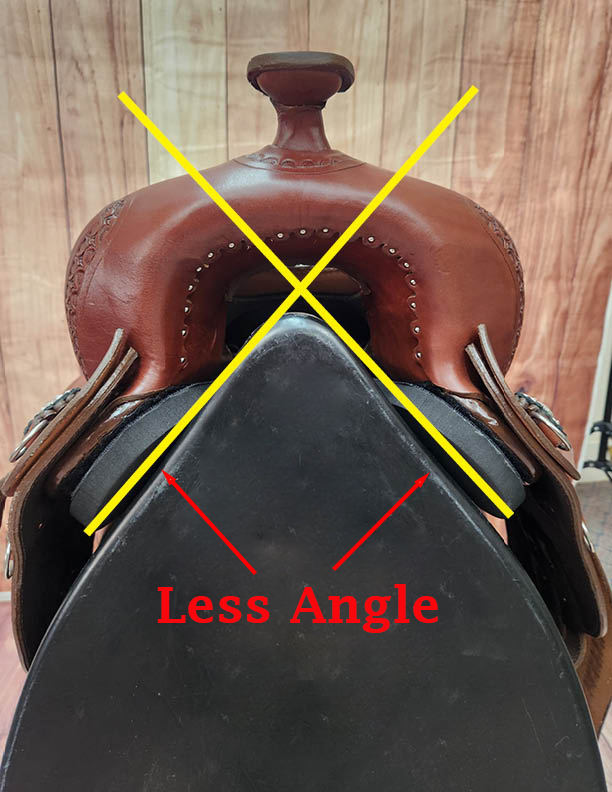
Adjust the Shoulder Angle
|
|
The fitting system can be adjusted to accommodate the angle through the horse’s shoulder area, helping us create more appropriate contact rather than relying solely on the fixed angle of the tree bars.
Adjust the Rear Angle
Fit doesn’t end at the shoulders.
The system also allows us to address the shape and angle toward the rear of the saddle and loin area, creating a more individualized fit along the horse’s back.
Adjust the Rock/Arch
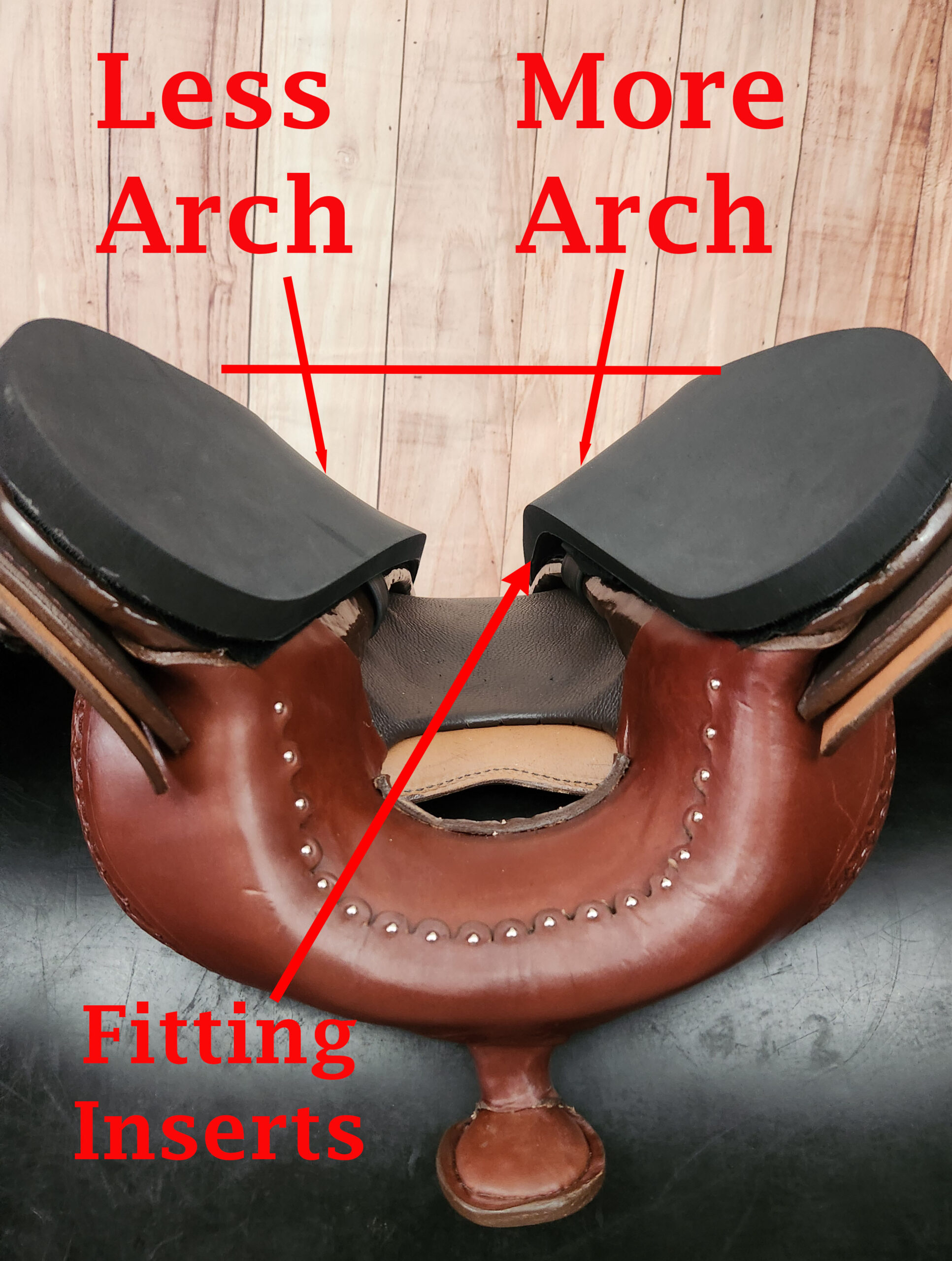
We can also adjust the fit from front to back to better correspond with the rock or curvature of the individual horse’s back.
A flatter-backed horse and a horse with more curvature don’t necessarily need to be treated the same.
Adjust Each Side Independently
Horses aren’t always perfectly symmetrical.
Because the fitting system can be adjusted independently, we can account for differences between the horse’s left and right sides rather than assuming both sides of the horse are identical.
So Does Gullet Size Matter?
Absolutely.
Gullet width is still an important part of selecting the appropriate starting tree.
What it isn’t is the entire answer.
A gullet measurement should be considered alongside:
- Bar angle
- Shoulder shape
- Rock
- Rear angle
- Wither shape
- Overall back shape
- Left-to-right asymmetry
That’s why we don’t want riders choosing a saddle simply because someone once told them:
“Your horse needs an 8-inch gullet.”
We want to look at the horse.
Don’t Fit the Number. Fit the Horse.
Saddle-tree terminology can be useful, but it has limitations.
An 8-inch gullet isn’t necessarily the same 8-inch gullet between manufacturers.
Full Quarter Horse Bars aren’t an industry-standard shape.
And even the correct gullet width doesn’t guarantee the correct angle, rock or overall fit.
The horse underneath the saddle is what matters.
TW Saddlery’s patented 3-D Adjustable Fit System gives us the ability to fine-tune width, shoulder angle, front-to-back rock and rear angle—and make those adjustments independently when necessary.
Because horses aren’t two-dimensional.
Their saddle fit shouldn’t be either.
Not Sure What Tree Size Your Horse Needs?
You don’t have to figure it out from gullet measurements or tree terminology alone. Our fitting process helps determine the appropriate starting tree and then fine-tunes the fit to your individual horse.
Learn About the 3-D Fit System